
As an experienced tour guide, I can tell you that visiting Tibet is unforgettable, but you need to be prepared. I have made a list of things to know before visiting Tibet.
In other parts of the Tibet Tour Guide, I write about things like what to pack for your Tibet tour, travel permits, the best time to visit, etc. Here are the things you need to know to have a much better understanding of Tibetan daily life, and language, and also things to know to stay safe.
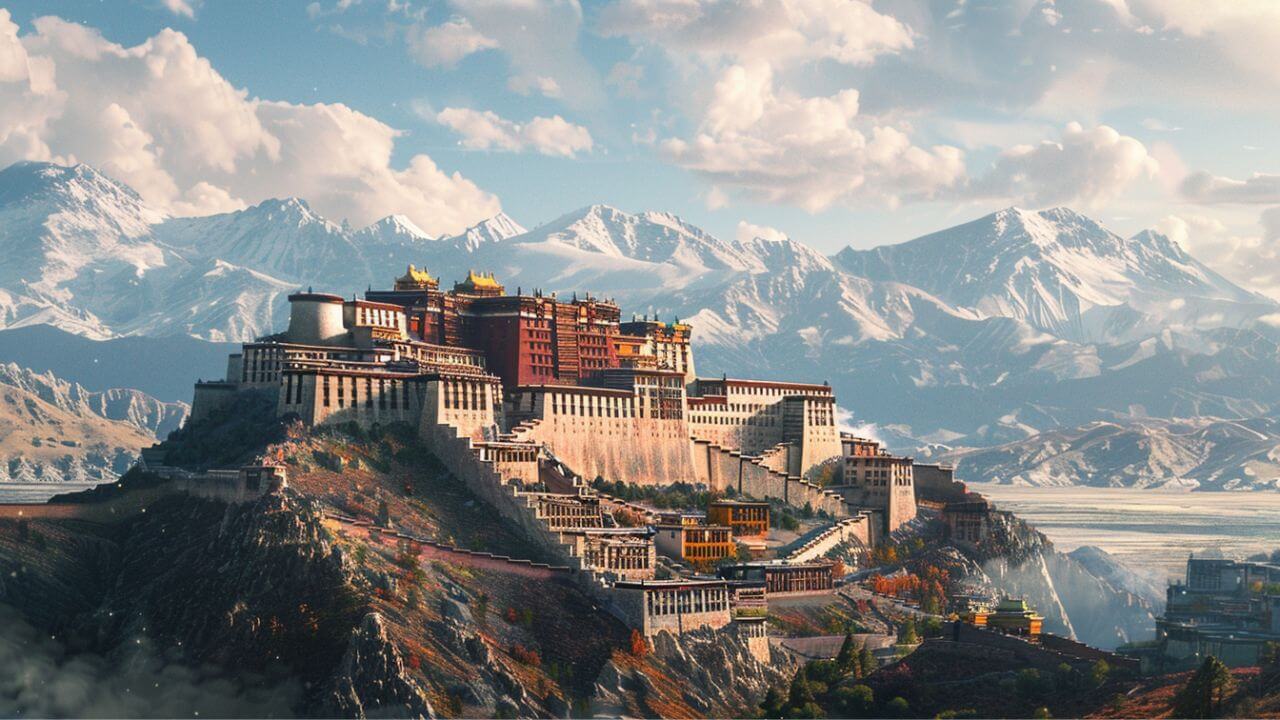
“Go on a journey to Tibet, where every step on its high-altitude plains and sacred mountains is a step closer to discovering the soul’s true altitude.”
Do’s in Tibet
To have pleasant stay in Tibet Do and Don’ts are one of the important things to know for Tibetan culture and Tibetan people.
Respect Local Customs and Traditions
Do: Show respect for Tibetan customs and religious practices. This includes dressing modestly, removing your hat when entering temples and monasteries, and avoiding stepping on door thresholds.
Do: Greet people with a friendly “Tashi Delek” (a Tibetan greeting) and join your hands together in a prayer gesture.
Be Mindful of Religious Etiquette
Do: Walk clockwise around religious sites, such as temples, stupas, and prayer wheels. This is a sign of respect in Tibetan Buddhism.
Do: Ask for permission before taking photographs, especially inside temples and of monks or religious ceremonies.
Prepare for High Altitude
Do: Allow time to acclimatize to the high altitude. Spend a few days in Lhasa before venturing to higher elevations to avoid altitude sickness.
Do: Stay hydrated, avoid strenuous activities initially, and consider consulting a doctor about medication for altitude sickness.
Respect Local Wildlife and Environment
Do: Preserve the natural beauty of Tibet by not littering and minimizing your environmental impact. Follow the principles of Leave No Trace.
Do: Respect local wildlife and avoid disturbing animals or their habitats.
Be Polite and Courteous
Do: Be polite and courteous to locals. A friendly demeanor goes a long way in making your experience enjoyable and respectful.
Do: Practice basic Tibetan or Chinese phrases to show your effort in communicating with locals.
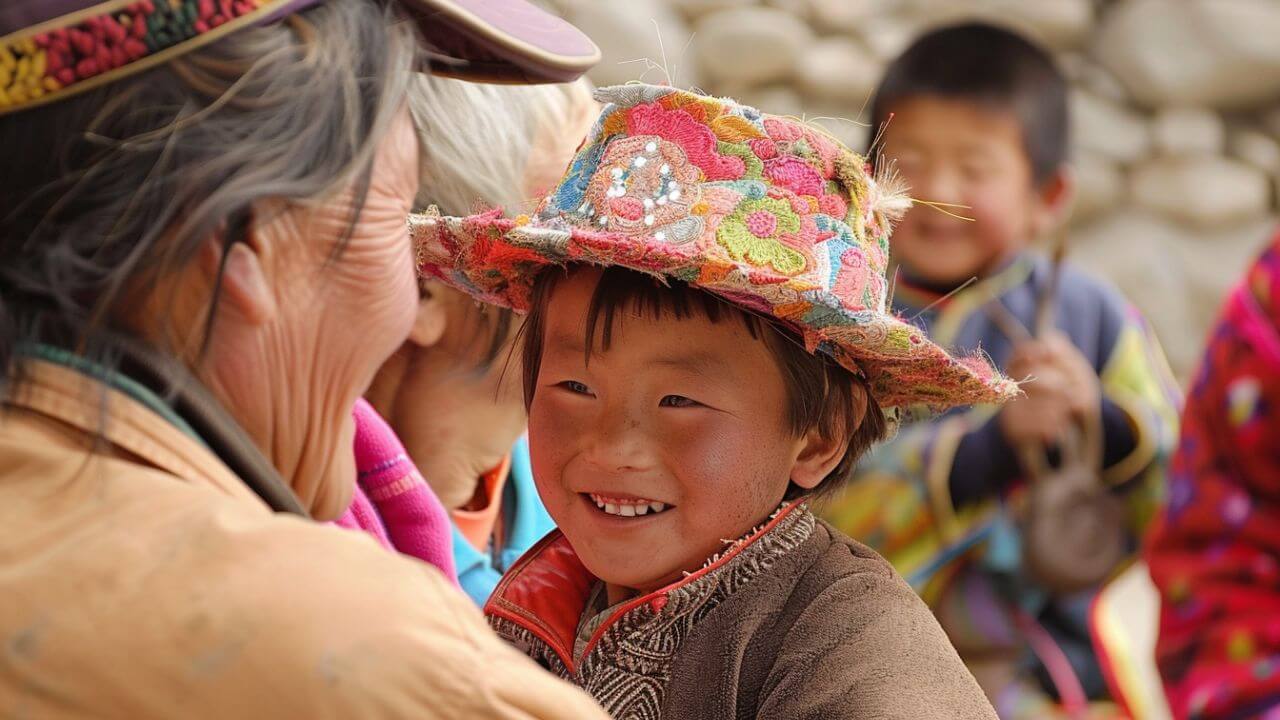
Don’ts in Tibet
I am sure that your tour guide will remind you about the important don’ts while you are in Tibet, but there is good to know some of them before traveling.
Avoid Disrespecting Religious Practices
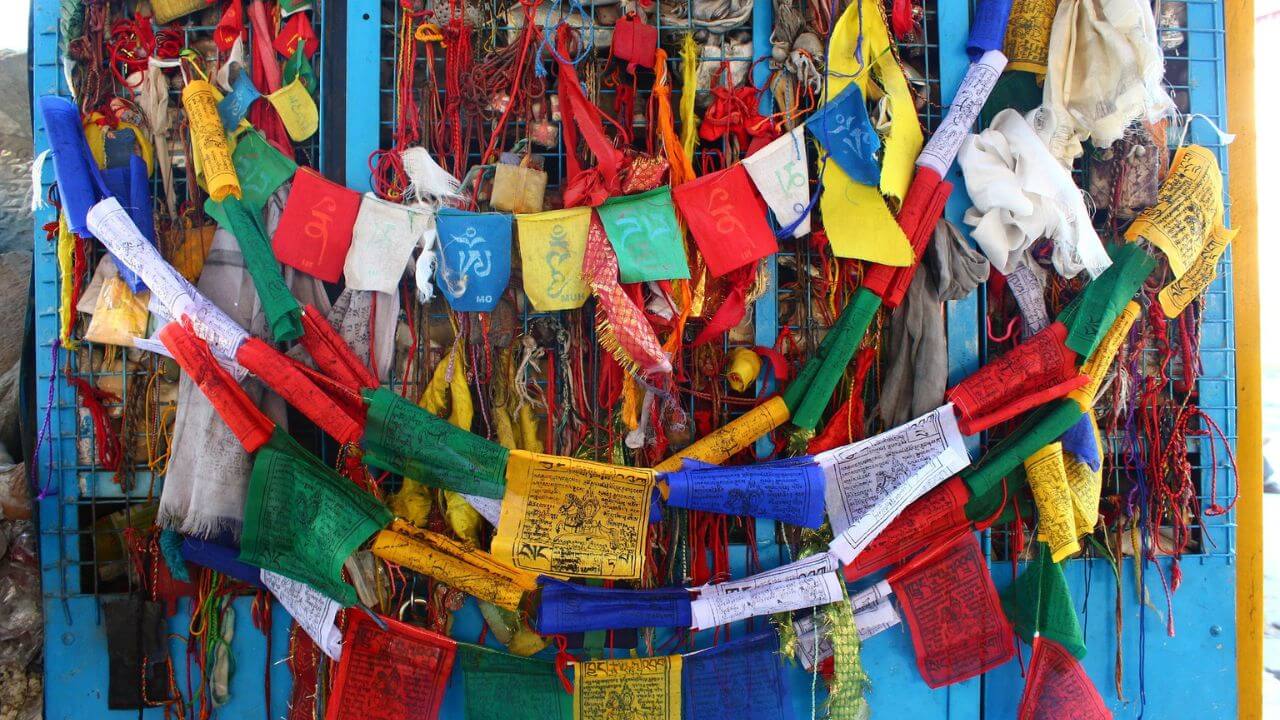
Don’t: Touch religious artifacts, statues, or prayer flags without permission. This can be seen as disrespectful.
Don’t: Point your feet towards people or religious objects, as it is considered impolite.
Refrain from Political Discussions
Don’t: Engage in political discussions about Tibet’s status or criticize the Chinese government. These topics are sensitive and can lead to serious consequences.
Avoid Disrupting Local Life
Don’t: Enter private homes, monasteries, or restricted areas without an invitation or proper permission.
Don’t: Disturb local ceremonies or festivals by getting too close or being intrusive with cameras.
Don’t Overpack or Overburden
Don’t: Bring excessive luggage. Travel light to make your journey more comfortable and manageable.
Don’t: Overburden local transport or pack animals. Respect weight limits and the well-being of animals.
Avoid Physical Contact
Don’t: Touch the heads of locals, including children. In Tibetan culture, the head is considered the most sacred part of the body.
Don’t Ignore Safety Precautions
Don’t: Ignore safety advice from guides or locals, especially regarding altitude sickness and weather conditions.
Don’t: Travel alone in remote areas without informing someone about your plans and expected return time.
Language
One of the things to know before traveling to Tibet is the language. I always recommend to my travelers to learn some basic phrases in Tibetan. It is a good gesture to local people to greed them in their language.
About the Tibetan Language
The Tibetan language, also known as Bodic or Tibetic, is a member of the Sino-Tibetan language family. It is the primary language spoken by the Tibetan people and is widely used in the Tibetan Autonomous Region of China, as well as in parts of India, Nepal, and Bhutan where Tibetan communities reside. The language has several dialects, which can be broadly classified into three main groups: Central Tibetan (including Lhasa dialect), Kham Tibetan, and Amdo Tibetan. The Lhasa dialect, also known as Standard Tibetan, is the most widely understood and serves as the official language of Tibet.
Key Features of the Tibetan Language
Script: Tibetan uses its own script, which is derived from the ancient Indian Brahmi script. The script is written horizontally from left to right and consists of 30 consonant letters and four vowel marks.
Phonology: Tibetan phonology varies significantly across its dialects. The Lhasa dialect features tonal characteristics, where the meaning of a word can change based on its tone.
Grammar: Tibetan grammar is complex and features a system of verb conjugations, honorifics, and a case marking system. It also uses postpositions (like prepositions, but placed after the noun) to indicate grammatical relationships.
Vocabulary: The Tibetan lexicon includes many loanwords from Sanskrit, due to the influence of Buddhism, and from Chinese, due to historical interactions.
Writing System: The Tibetan script is used not only for the Tibetan language but also for several other languages in the region. The script is used in religious texts, literature, and official documents.

Basic Phrases to Learn Before Traveling to Tibet
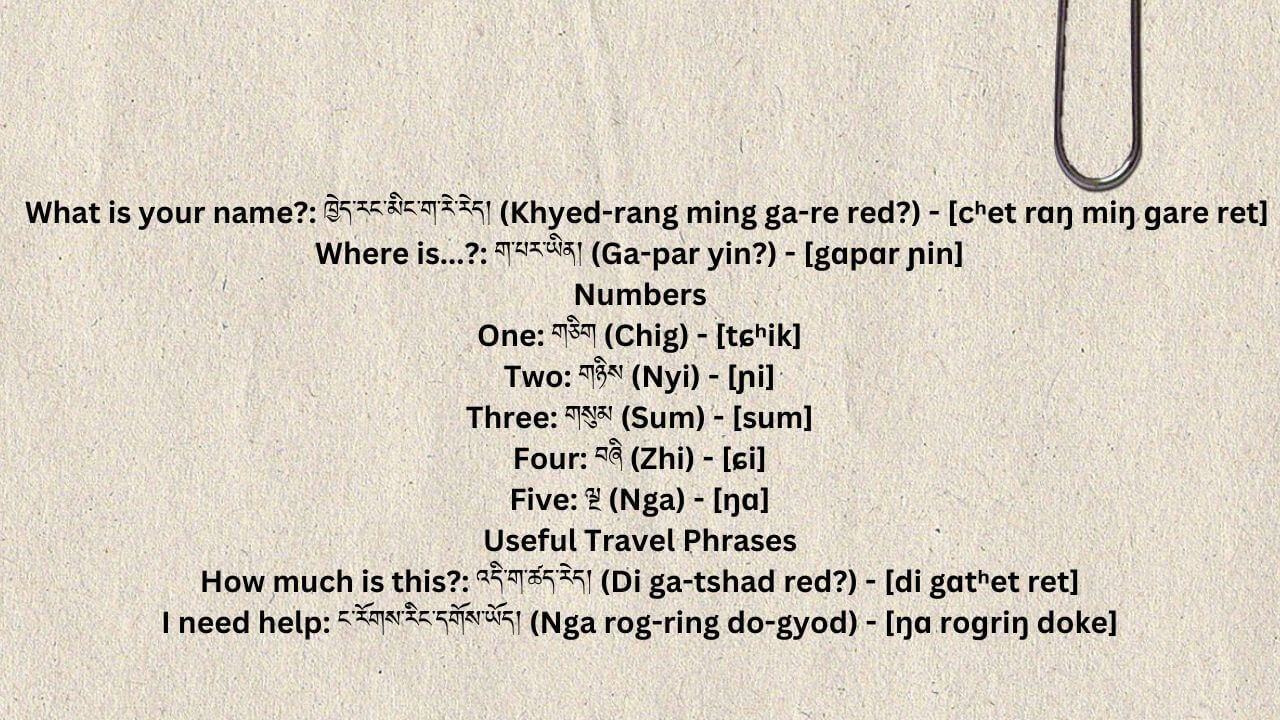
Learning a few basic phrases in Tibetan can enhance your travel experience and help you communicate with locals more effectively. Here are some essential phrases:
Greetings and Common Phrases
- Hello: དགའ་བོ། (Tashi Delek) – [taʃi tɛlɛk]
- Goodbye: བཞུགས་ཨང་། (Shug ang) – [ɕuk əŋ]
- Thank you: ཐུགས་རྗེ་ཆེ། (Thuk-je che) – [tʰukcə tɕʰe]
- Yes: ངག་བཏགས། (Nga tag) – [ŋa tɑk]
- No: མི། (Min) – [min]
Polite Expressions
- Please: བདེ་མོ། (Bde-mo) – [demə]
- Excuse me: གཟིམ་གསོལ། (Zim-sol) – [zimsol]
- I’m sorry: དགའ་ཞེ་གཟིམ་གསོལ། (Gha-she zim-sol) – [ɡʰaɕe zimsol]
Basic Questions
- How are you?: ཁྱེད་རང་བདེ་པོ་ཡིན་པས། (Khyed-rang bde-po yin-pa?) – [cʰet rɑŋ depʰo ɲinpɛ]
- What is your name?: ཁྱེད་རང་མིང་ག་རེ་རེད། (Khyed-rang ming ga-re red?) – [cʰet rɑŋ miŋ ɡare ret]
- Where is…?: ག་པར་ཡིན། (Ga-par yin?) – [gɑpɑr ɲin]
Numbers
- One: གཅིག (Chig) – [tɕʰik]
- Two: གཉིས (Nyi) – [ɲi]
- Three: གསུམ (Sum) – [sum]
- Four: བཞི (Zhi) – [ɕi]
- Five: ལྔ (Nga) – [ŋɑ]
Useful Travel Phrases
- How much is this?: འདི་ག་ཚད་རེད། (Di ga-tshad red?) – [di gɑtʰet ret]
- I need help: ང་རོགས་རིང་དགོས་ཡོད། (Nga rog-ring do-gyod) – [ŋɑ roɡriŋ doke]
Travel Tips for Communicating in Tibet
- Practice Pronunciation: Tibetan pronunciation can be challenging due to its tonal nature and unique sounds. Listening to native speakers and practicing with audio resources can be helpful.
- Use Gestures: If you have trouble with pronunciation, using hand gestures and body language can help convey your message.
- Learn Key Words: Focus on learning key words and phrases that you will use frequently during your travels.
- Be Polite: Showing respect and politeness, such as using “please” and “thank you,” goes a long way in Tibetan culture.
- Carry a Phrasebook: Having a Tibetan phrasebook or a translation app on your phone can be very useful for quick reference.
- Engage Locals: Most Tibetans are friendly and appreciative of any effort to speak their language. Engaging with locals can enhance your cultural experience and help you learn more.
Currency/ Money
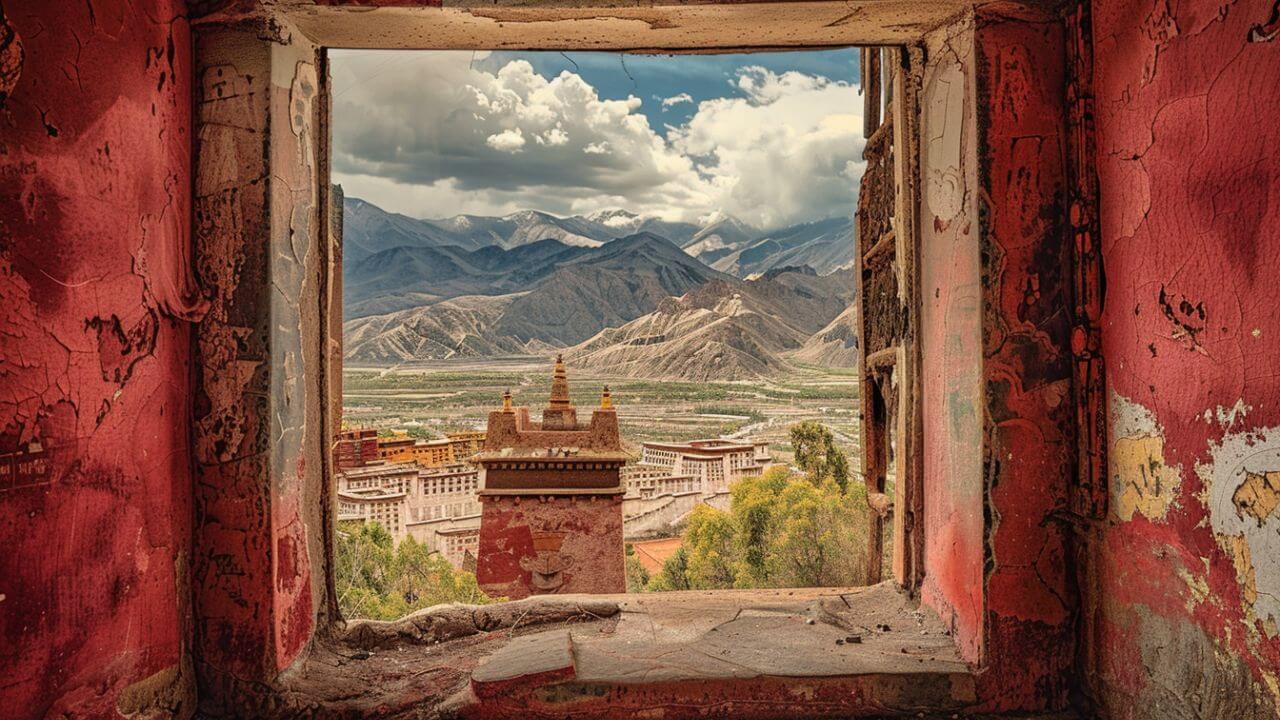
When traveling to Tibet, it’s important to know the currency, banking facilities, and payment options available. This guide will help you navigate financial transactions during your trip.
Currency
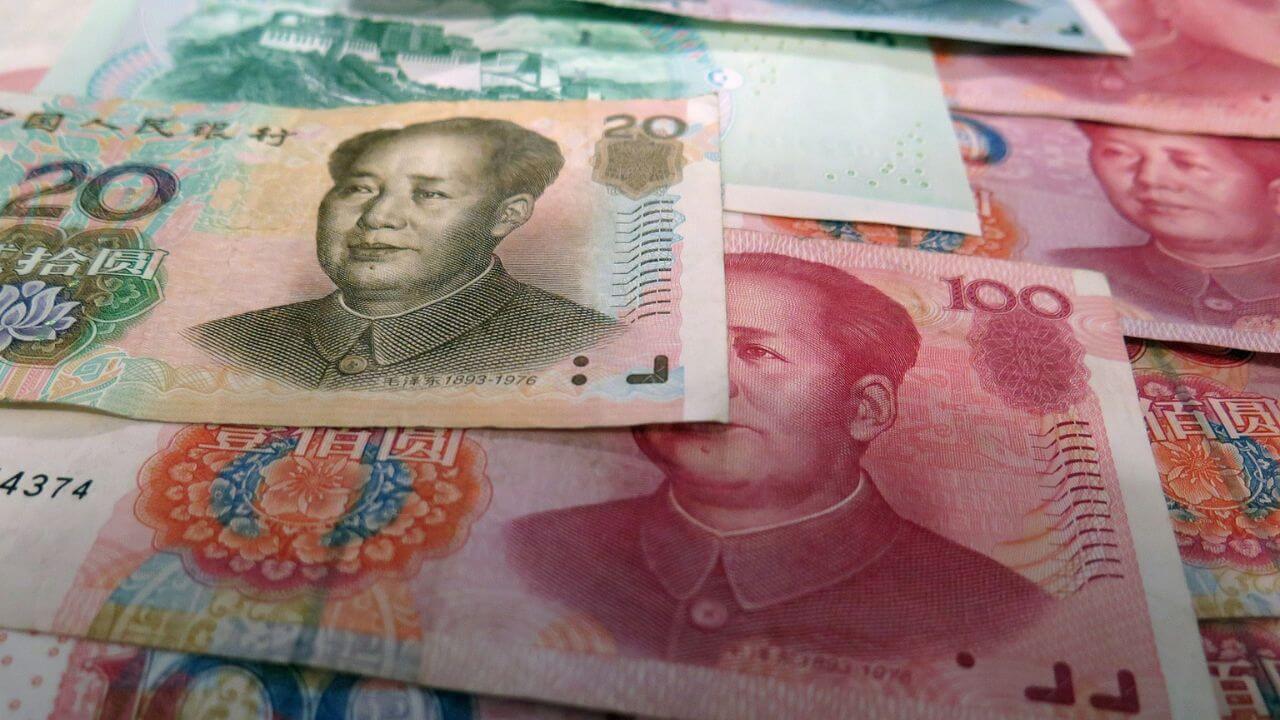
- Official Currency: The official currency in Tibet is the Chinese Yuan (CNY), also known as Renminbi (RMB). The symbol for the Yuan is ¥, and its ISO code is CNY.
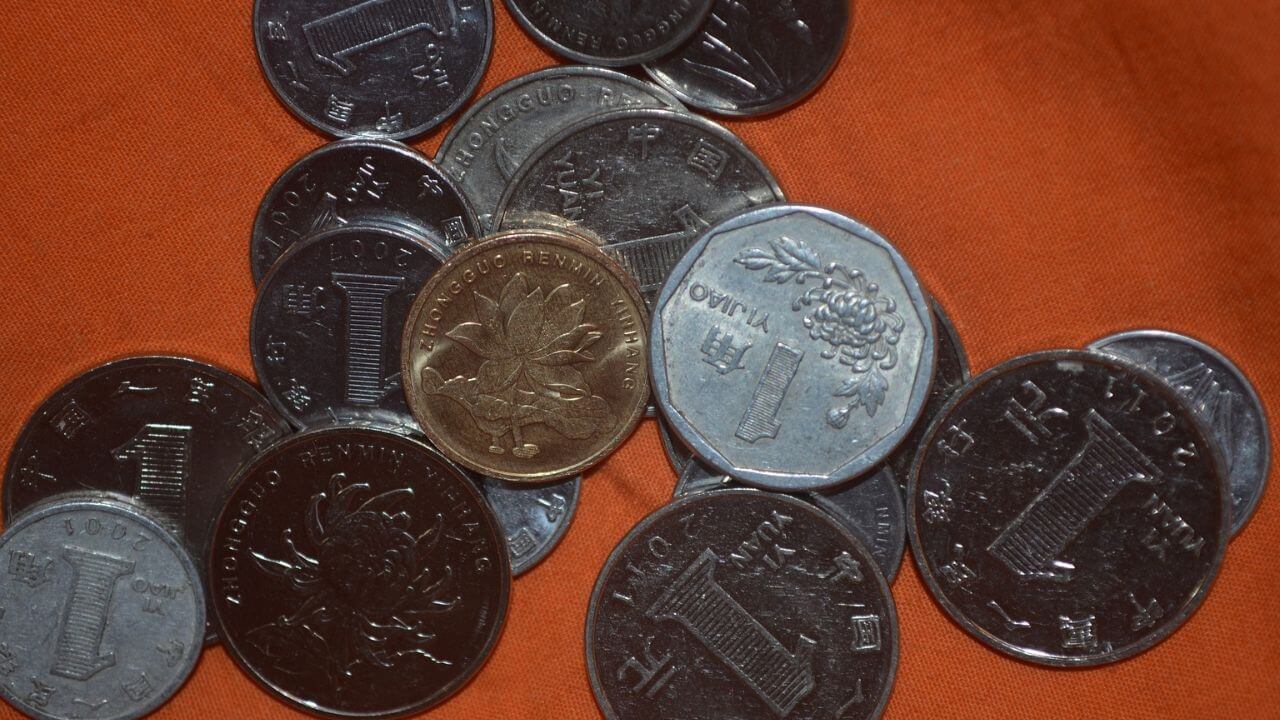
- Denominations: Banknotes are available in denominations of 1, 5, 10, 20, 50, and 100 Yuan. Coins are available in denominations of 1, 2, and 5 Jiao (1 Yuan = 10 Jiao) and 1 Yuan.
Exchange Offices and Rates
- Exchange Locations: Currency exchange services are available at major airports, large hotels, and banks in cities like Lhasa and Shigatse.
- Exchange Rates: The rates at banks are generally more favorable than those at hotels or airports. Always check the current exchange rate before exchanging money.
- Acceptance: Foreign currencies are generally not accepted in local markets, shops, or restaurants, so it’s essential to have Chinese Yuan on hand.
ATMs
- Availability: ATMs are available in larger cities like Lhasa and Shigatse. Major banks such as the Bank of China, Industrial and Commercial Bank of China (ICBC), and Agricultural Bank of China operate ATMs.
- International Cards: Many ATMs accept international debit and credit cards (Visa, MasterCard, etc.), but it’s advisable to carry enough cash for smaller towns and rural areas where ATMs may be scarce or non-functional.
- Withdrawal Limits: Be aware of the daily withdrawal limits, which can vary by bank and type of account.
Banks
- Major Banks: The Bank of China, Industrial and Commercial Bank of China (ICBC), and Agricultural Bank of China have branches in Tibet’s major cities.
- Banking Hours: Typical banking hours are from 9:00 AM to 5:00 PM, Monday to Friday. Some branches may be open on Saturdays.
- Services: Banks offer currency exchange, cash advances on credit cards, and other standard banking services. Always bring your passport when conducting transactions.
Credit and Debit Cards
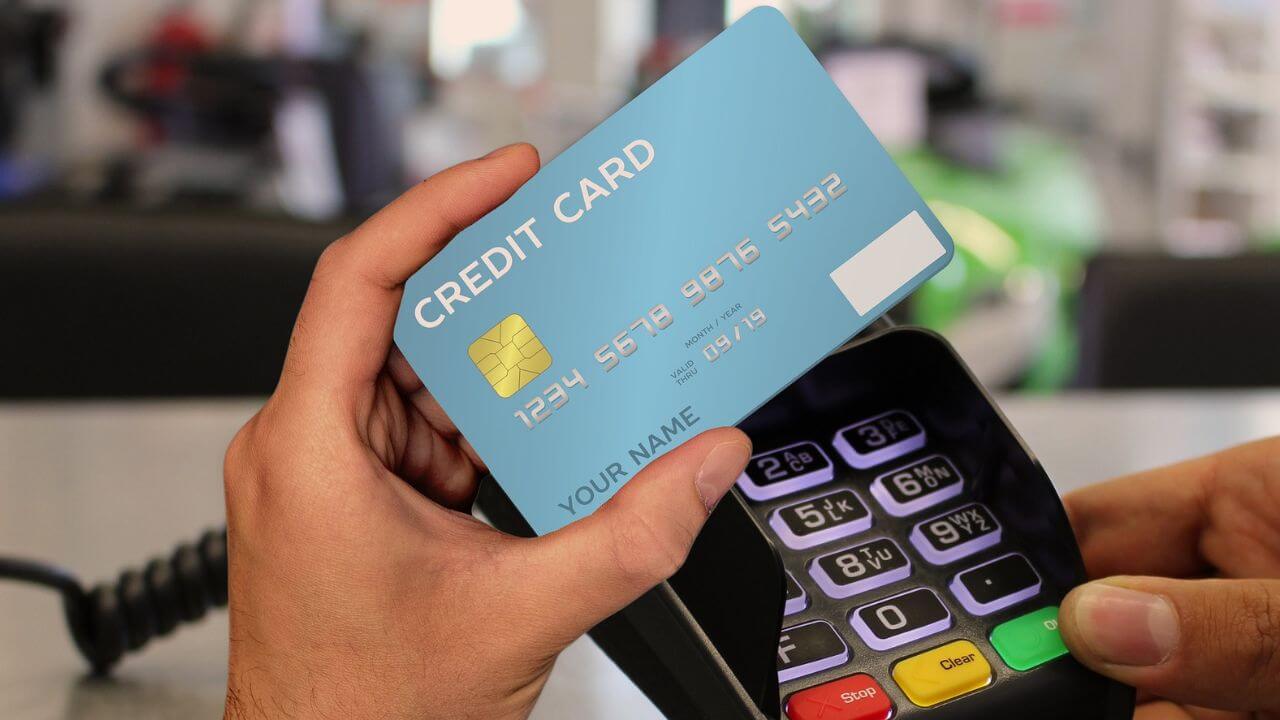
- Acceptance: Credit and debit cards are widely accepted in upscale hotels, large restaurants, and shops in major cities. However, smaller businesses and rural areas may only accept cash.
- Charges: Be aware of potential foreign transaction fees charged by your bank or credit card provider. It’s a good idea to inform your bank of your travel plans to avoid any issues with card transactions.
Cash
- Cash is King: In many parts of Tibet, especially in smaller towns and rural areas, cash is the preferred and sometimes the only method of payment.
- Carry Sufficient Cash: Always carry sufficient cash to cover expenses, especially when traveling to remote areas. It’s advisable to have a mix of small and large denominations.
- Safety: Keep your cash in a secure place, such as a money belt or a hidden pouch. Be cautious when carrying large amounts of money.
Tipping
- Not Customary: Tipping is not a common practice in Tibet. However, it is appreciated for exceptional service, such as for guides and drivers. Small tips (10-20 Yuan) can be given as a gesture of appreciation.
Useful Tips
- Plan Ahead: Plan your cash needs ahead of time, especially if you are traveling to remote areas where banking facilities may be limited.
- Currency Exchange Receipts: Keep the receipts from currency exchanges. You may need them to exchange leftover Yuan back into your home currency.
- Emergency Funds: Always have an emergency stash of cash or an extra credit card in case of unforeseen circumstances.
Important Numbers
When traveling in Tibet it’s essential to have access to important contact numbers for emergencies, health services, and transportation. Here is a list of useful numbers to keep handy during your visit:
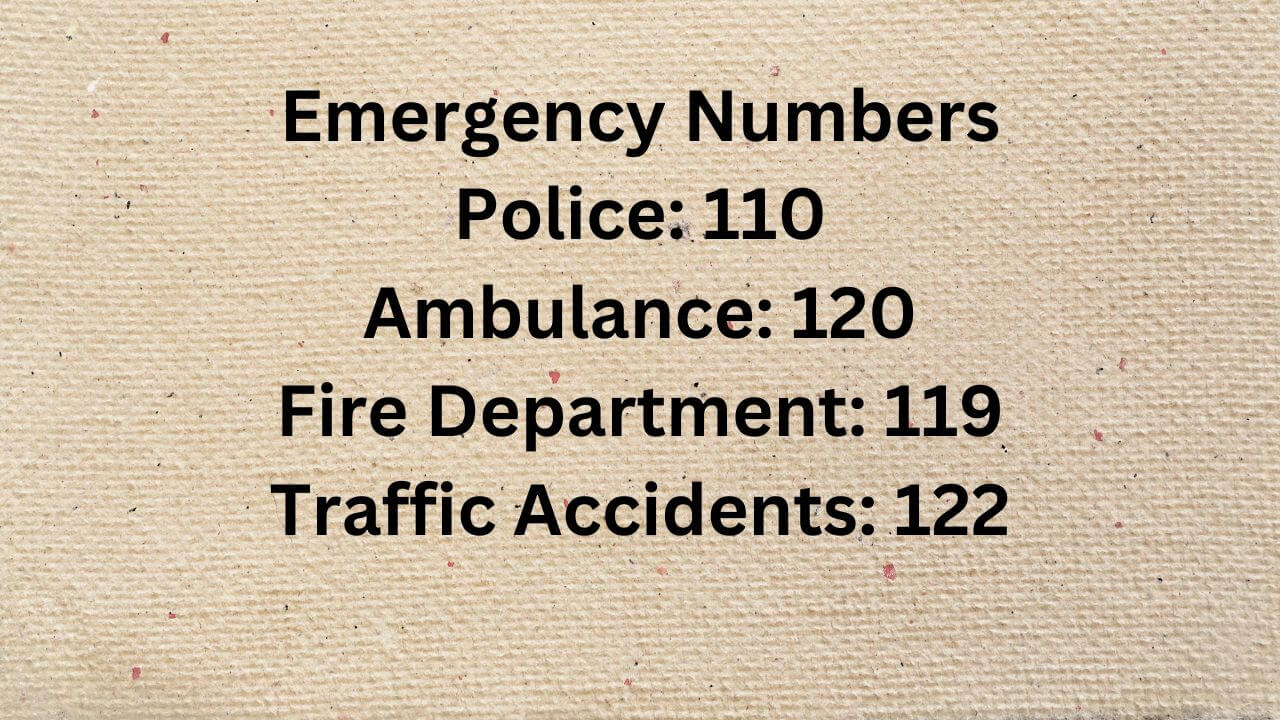
Emergency Numbers
- Police: 110
- Ambulance: 120
- Fire Department: 119
- Traffic Accidents: 122
General Information
- Directory Assistance: 114
- Tourist Information: +86 891 632 3466 (Tibet Tourism Bureau)
Hospitals and Medical Services
- Tibet Autonomous Region People’s Hospital
- Address: No. 18 Linkuo North Road, Lhasa, Tibet
- Phone: +86 891 632 2221
- Lhasa People’s Hospital
- Address: No. 1 Minzu Road, Lhasa, Tibet
- Phone: +86 891 636 2370
- Lhasa Friendship Hospital
- Address: No. 46 Beijing Middle Road, Lhasa, Tibet
- Phone: +86 891 632 3240
- Tibet Military Region General Hospital
- Address: No. 25 Jiangsu Road, Lhasa, Tibet
- Phone: +86 891 683 2222
- Lhasa Hospital of Traditional Tibetan Medicine
- Address: No. 29 Beijing East Road, Lhasa, Tibet
- Phone: +86 891 633 3363
Transportation
- Lhasa Gonggar Airport
- Phone: +86 891 618 2220
- Airport Shuttle Service: +86 891 618 3320
- Lhasa Railway Station
- Phone: +86 891 675 5114
- Ticket Booking: 12306 (China Railway Customer Service)
- Lhasa Bus Station
- Phone: +86 891 682 4469
- Taxi Services
- Lhasa Taxi Service: +86 891 633 7065
Other Useful Contacts
- Chinese Embassy in Lhasa
- Address: No. 13, Beijing Middle Road, Lhasa, Tibet
- Phone: +86 891 683 2187
- Foreign Affairs Office of Tibet Autonomous Region
- Phone: +86 891 683 5246
Tips for Travelers
- Save Important Numbers: Save these numbers in your phone and keep a written copy in case your phone runs out of battery.
- Language Barrier: Not all operators may speak English. If you need assistance, try to find someone who can help translate.
- Local SIM Card: Consider getting a local SIM card to ensure you have reliable access to these services during your stay in Tibet.

Helen Wang
Travel Advisor & Guide Expert
I started my travel career in 2005 and have since become an expert in Tibet and China’s travel destinations and helping travelers plan unforgettable trips.
For expert travel advice to China or Tibet, feel free to contact me.