
Visiting the sites around Lhasa gives you a fascinating look into Tibetan culture and history. The surrounding areas are filled with beautiful landscapes, from rolling hills to peaceful lakes, each with its own unique charm. Exploring these sites helps you understand the region’s spiritual significance and ancient traditions better. You’ll meet friendly locals and vibrant communities, all set against the stunning backdrop of the Himalayas. Whether you’re looking for adventure or peace, the areas around Lhasa offer an unforgettable experience full of beauty and cultural richness.

Sera Monastery
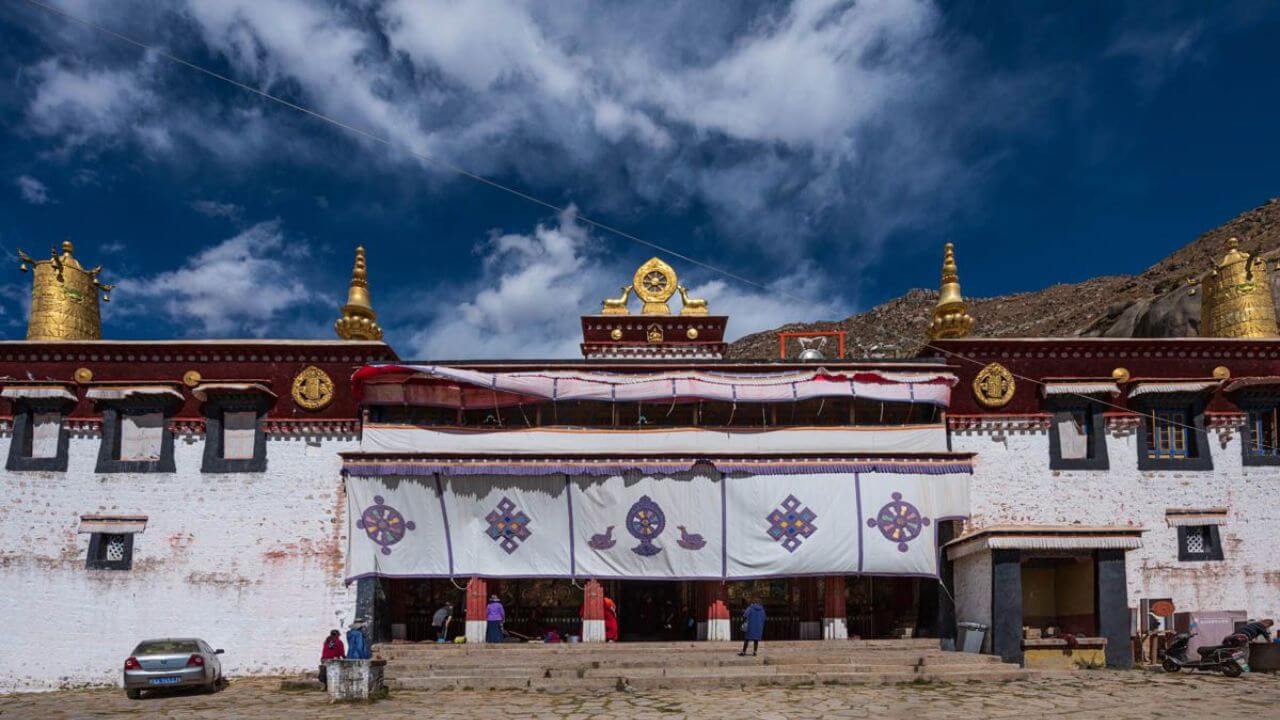
Sera Monastery is one of the Great Three Gelug university monasteries of Tibet, alongside Drepung and Ganden Monasteries. Founded in 1419 by Jamchen Chöjé, a disciple of Tsongkhapa, Sera Monastery is located just a few kilometers north of Lhasa. The monastery is known for its vibrant monastic debates, held in the courtyard every afternoon, where monks engage in spirited discussions to deepen their understanding of Buddhist philosophy. Sera Monastery is a living center of learning, prayer, and practice, offering visitors an authentic and immersive experience of Tibetan Buddhism.
Facts About Sera Monastery
- Location: North of Lhasa, Tibet Autonomous Region, China
- Altitude: Approximately 3,700 meters (12,100 feet)
- Founded: 1419 by Jamchen Chöjé
- Significance: One of the Great Three Gelug university monasteries of Tibet
- Monastic Debates: Held daily in the courtyard
Highlights of Sera Monastery
Monastic Debates
The daily monastic debates at Sera Monastery are a unique and dynamic aspect of Tibetan Buddhist practice. Monks gather in the courtyard to engage in debates, using gestures and claps to emphasize their points. Watch the lively and engaging debates, which typically take place in the afternoon. The energy and enthusiasm of the monks are both impressive and inspiring.
Tsokchen Assembly Hall
The Tsokchen Assembly Hall is the largest building in Sera Monastery and serves as the main gathering place for prayer and ceremonies. Explore the vast hall, adorned with statues, thangkas, and intricate murals. Experience the serene atmosphere as monks chant prayers and perform rituals.
Dratsang (Colleges)
Sera Monastery is divided into several colleges, each specializing in different areas of Buddhist education. The main colleges are Sera Jey, Sera Mey, and Ngagpa. Visit the colleges to learn about their specific teachings and practices. Observe the monks in study and prayer, gaining insight into their daily lives.
Temples and Chapels
The monastery complex includes numerous temples and chapels, each housing sacred statues, relics, and religious artifacts.
Visit the various temples and chapels, such as the Ngagpa Tratsang and the Khyamra Temple. Admire the beautiful statues of Buddhist deities and the richly decorated interiors.
The Hermitage of Sera
Located on the mountain behind Sera Monastery, the hermitage is a place of meditation and retreat for monks seeking solitude and spiritual growth. Take a hike to the hermitage for stunning views of the monastery and the surrounding landscape. Explore the meditation caves and small chapels scattered along the mountainside.
Tips for Visiting Sera Monastery
Timing Your Visit: Arrive in the afternoon to witness the monastic debates, which usually begin around 3:00 PM. This is one of the highlights of a visit to Sera Monastery.
Respect Monastic Life: Be mindful of the monks and their practices. Dress modestly, speak quietly, and follow the guidelines provided by the monastery.
Photography Etiquette: Photography is allowed in the courtyard during debates but may be restricted inside temples and assembly halls. Always ask for permission before taking photos.
Hire a Local Guide: A knowledgeable local guide can provide valuable insights into the history, architecture, and spiritual significance of Sera Monastery.
Wear Comfortable Shoes: The monastery complex is large and involves a significant amount of walking. Comfortable walking shoes are essential.
Acclimatize to the Altitude: Ensure you are well-acclimatized to Lhasa’s high altitude before visiting Sera Monastery to avoid altitude sickness.
Engage with the Monks: If you have the opportunity, engage in conversation with the monks. They are often willing to share their knowledge and experiences with visitors.
Visit Drepung Monastery- Around Lhasa
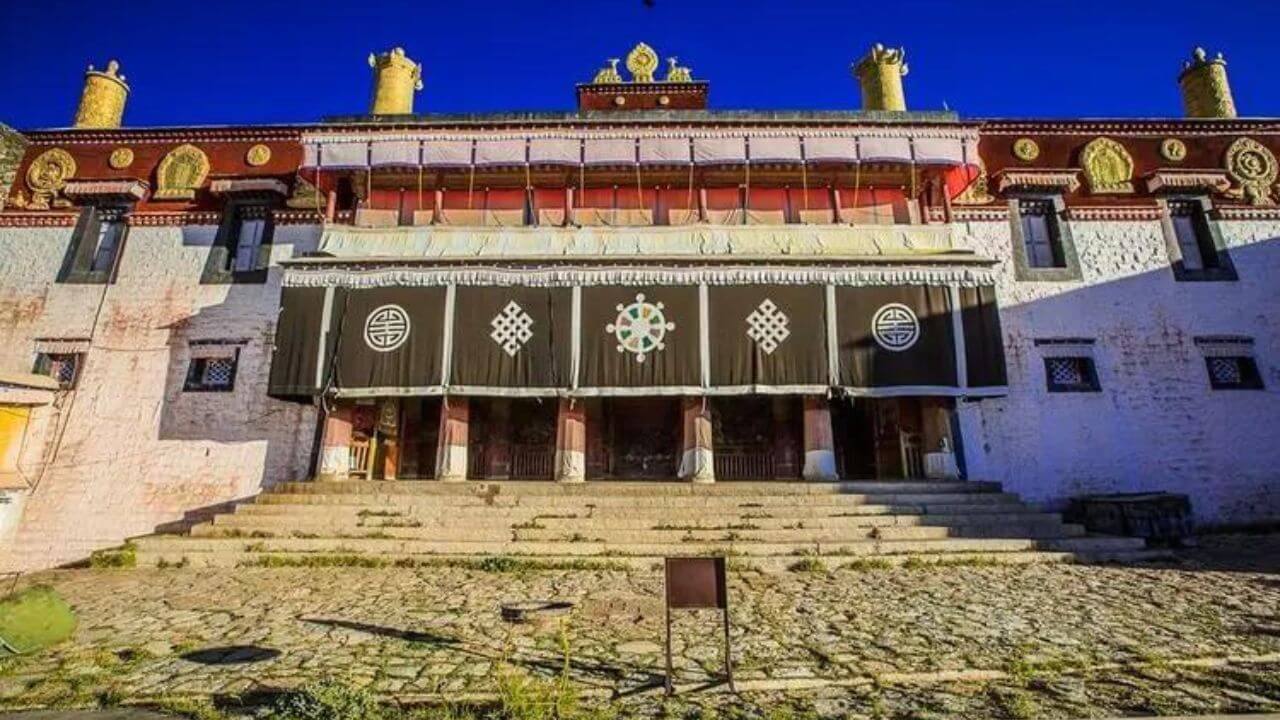
Drepung Monastery was once the world’s largest monastery and a cornerstone of Tibetan Buddhism. Founded in 1416 by Jamyang Chöje, a disciple of Tsongkhapa, the monastery is one of the Great Three Gelug University monasteries of Tibet, along with Sera Monastery and Ganden Monastery. Located on the Gambo Utse mountain, just outside of Lhasa, Drepung Monastery was historically home to up to 10,000 monks and played a crucial role in Tibet’s religious, cultural, and political life. Today, it remains a vibrant center of learning and spiritual practice, offering visitors a profound insight into Tibetan Buddhism.
Facts About Drepung Monastery
- Location: Near Lhasa, Tibet Autonomous Region, China
- Altitude: Approximately 3,800 meters (12,467 feet)
- Founded: 1416 by Jamyang Chöje
- Historical Population: Up to 10,000 monks
- Significance: One of the Great Three Gelug University monasteries of Tibet
Highlights of Drepung Monastery
Extensive Complex of Temples and Courtyards
Drepung Monastery is a sprawling complex featuring numerous temples, assembly halls, and courtyards, each with its own unique architectural and spiritual significance. Explore the Main Assembly Hall (Tsokchen), where monks gather for prayer and ceremonies, and the Ganden Palace, the former residence of the Dalai Lamas before the construction of the Potala Palace.
Colleges of Drepung
The monastery is divided into several colleges, each dedicated to different aspects of Buddhist education and practice. The most prominent are Gomang, Loseling, Deyang, and Ngagpa. Visit the colleges to learn about the specific teachings and practices of each, and observe the monks engaged in study and debate.
Historic Art and Murals
Drepung Monastery houses an extensive collection of Buddhist art, including statues, thangkas, and intricate murals that depict Buddhist deities, teachings, and historical events. Admire the artistry and spiritual depth of the murals and statues, and gain insight into the rich visual culture of Tibetan Buddhism.
Monastic Debates
The monastery is renowned for its monastic debates, where monks engage in lively and rigorous discussions to sharpen their understanding of Buddhist philosophy. Witness the debates, often held in the courtyards, and appreciate the intellectual vigor and spiritual dedication of the monks.
The Nechung Oracle
The Nechung Oracle, the state oracle of Tibet, resides at Nechung Monastery, a small monastery within the Drepung complex. The oracle plays a significant role in Tibetan Buddhist practice and governance. Visit Nechung Monastery to learn about the role of the oracle and the fascinating rituals associated with this unique aspect of Tibetan Buddhism.
Tips for Visiting Drepung Monastery
Respect Monastic Life: Drepung Monastery is an active religious site. Be respectful of the monks and their practices, and follow the guidelines provided by the monastery.
Acclimatize to the Altitude: Ensure you are well-acclimatized to Lhasa’s high altitude before visiting Drepung Monastery to avoid altitude sickness.
Wear Comfortable Shoes: The monastery complex is large and involves a significant amount of walking and climbing. Wear comfortable walking shoes.
Engage a Local Guide: A knowledgeable local guide can provide valuable insights into the history, architecture, and spiritual significance of the monastery.
Photography Etiquette: Photography may be restricted in certain areas, particularly inside temples and assembly halls. Always ask for permission before taking photos.
Timing Your Visit: Visit in the morning to see the monks’ morning prayers and to avoid the afternoon crowds. The monastery is typically less crowded during weekdays.
Participate in Monastic Activities: If possible, join a guided tour or attend a lecture to deepen your understanding of Tibetan Buddhism and monastic life.
Ganden Monastery
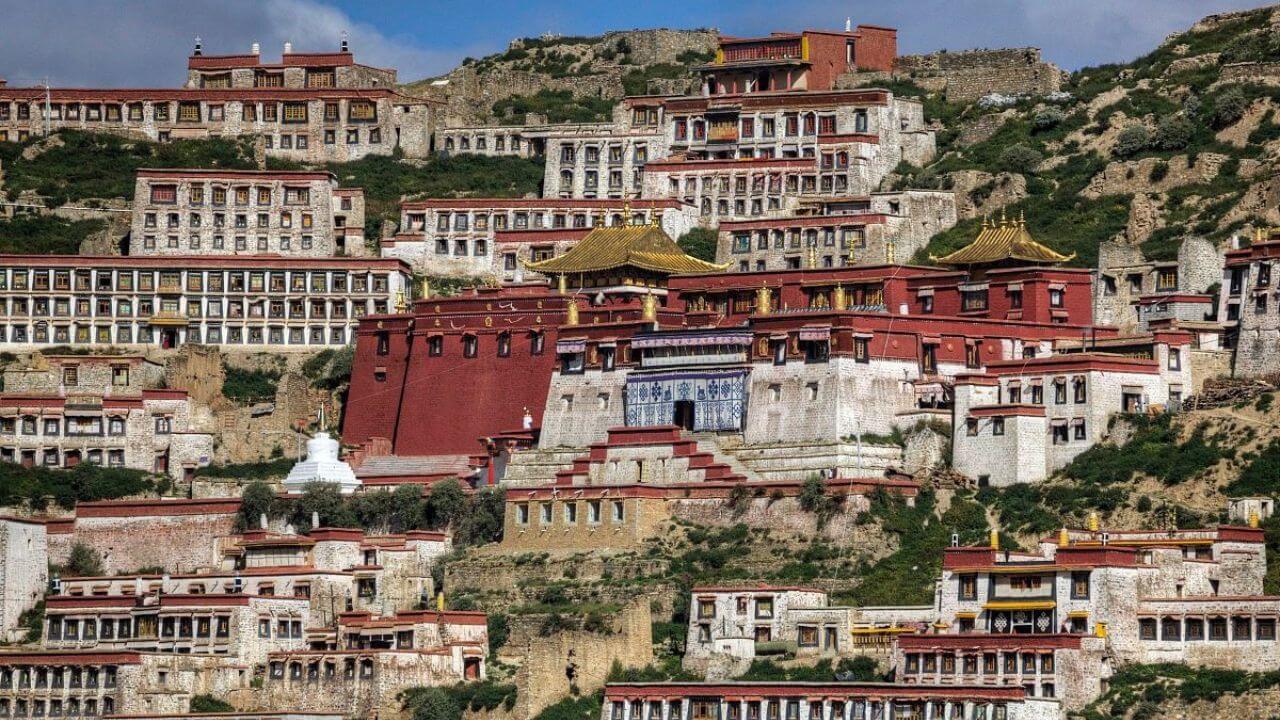
Ganden Monastery is the first and foremost monastery of the Gelug school of Tibetan Buddhism. It is a must-see sight around Lhasa. Founded in 1409 by Tsongkhapa, the founder of the Gelug tradition, Ganden Monastery holds great spiritual and historical significance. Perched atop Wangbur Mountain at an altitude of about 4,300 meters (14,108 feet), it is located approximately 40 kilometers northeast of Lhasa. Ganden Monastery is a center of Buddhist learning and pilgrimage, offering visitors a profound insight into Tibetan religious life and culture.
Facts About Ganden Monastery
- Location: Wangbur Mountain, northeast of Lhasa, Tibet Autonomous Region, China
- Altitude: Approximately 4,300 meters (14,108 feet)
- Founded: 1409 by Tsongkhapa
- Significance: The first and foremost monastery of the Gelug school of Tibetan Buddhism
- Population: Historically housed thousands of monks
Highlights of Ganden Monastery
Tsokchen Assembly Hall
The Tsokchen Assembly Hall is the main prayer hall of Ganden Monastery, where monks gather for communal prayers and ceremonies. Explore the vast hall adorned with statues of Buddha, Tsongkhapa, and other deities, along with beautiful thangkas and murals depicting Buddhist teachings and history.
Tomb of Tsongkhapa
The tomb of Tsongkhapa, the founder of the Gelug school, is one of the most revered sites in the monastery. It is located within the Serdung Lhakhang (Golden Tomb Chapel). Pay your respects at the intricately decorated tomb, which is adorned with precious metals and jewels. The tomb is a focal point for pilgrims who come to honor Tsongkhapa’s legacy.
Colleges (Dratsangs)
Ganden Monastery is divided into two main colleges: Jangtse and Shartse. These colleges are centers of advanced Buddhist studies and debate. Visit the colleges to observe the monks engaged in study and debate. The rigorous academic environment provides a deep insight into the intellectual tradition of Tibetan Buddhism.
Kora Circuit
The kora is a pilgrimage route that circles the monastery and the surrounding hills. It is a significant practice for Tibetan Buddhists to walk this path, often while chanting prayers and spinning prayer wheels. Join the pilgrims on the kora for stunning views of the Kyi-chu Valley and the surrounding mountains. The kora offers a peaceful and spiritually enriching experience.
Monastic Debates
Like other major Gelug monasteries, Ganden Monastery is known for its lively monastic debates. These debates are an essential part of the monks’ education, helping them sharpen their understanding of Buddhist philosophy. Witness the debates in the courtyard, where monks engage in animated discussions, using gestures and claps to emphasize their points.
Tips for Visiting Ganden Monastery
Prepare for High Altitude: Ganden Monastery is located at a high altitude. Ensure you are well-acclimatized before visiting to avoid altitude sickness. Take it slow and stay hydrated.
Dress Modestly: As with any religious site, dress modestly, covering your shoulders and knees. Be respectful of the local customs and traditions.
Wear Comfortable Shoes: The terrain around the monastery can be steep and uneven. Wear sturdy, comfortable shoes for walking and hiking.
Timing Your Visit: Visit in the morning to see the monks’ morning prayers and to avoid the afternoon crowds. The morning light also offers great opportunities for photography.
Participate in the Kora: Walking the kora around Ganden Monastery is a rewarding experience. Take your time to enjoy the scenery and reflect on the spiritual significance of the journey.
Namtso Lake
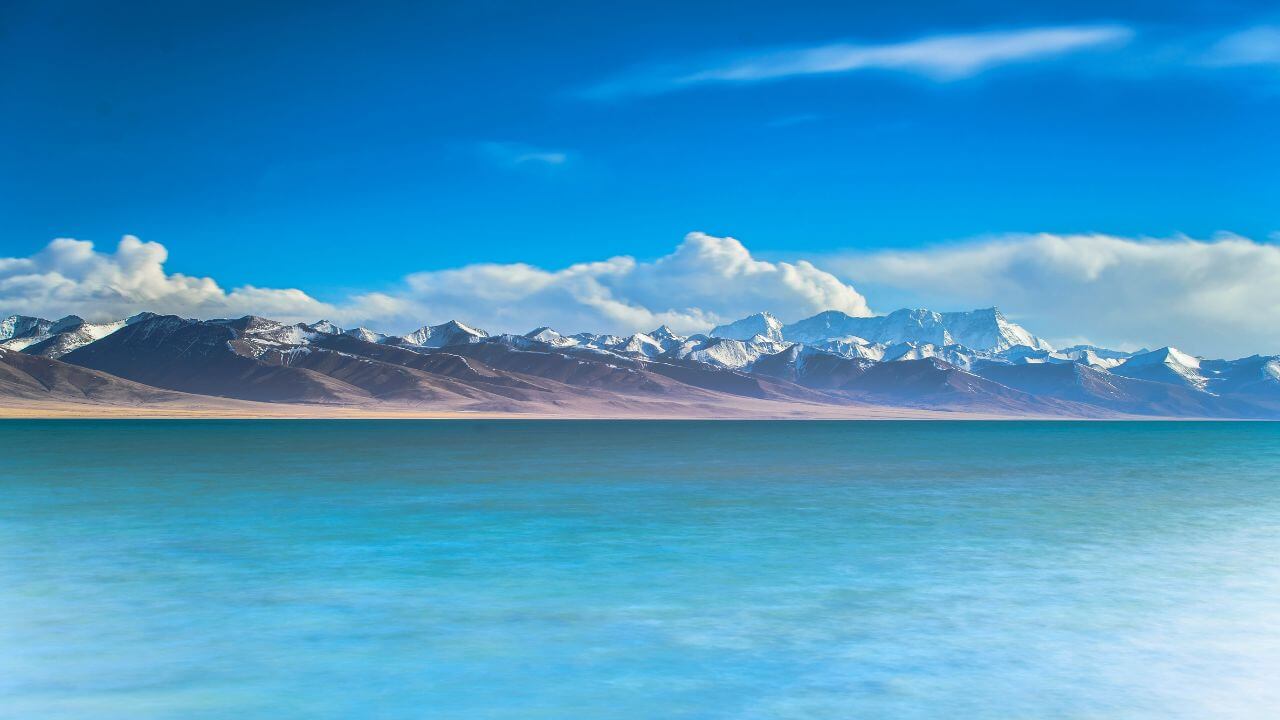
Namtso Lake, known as the “Heavenly Lake,” is one of the most stunning natural wonders in Tibet. It is situated at an altitude of approximately 4,718 meters (15,479 feet) above sea level, making it one of the highest saltwater lakes in the world. Namtso is located about 240 kilometers (150 miles) northwest of Lhasa, the capital city of Tibet. The lake covers an area of around 1,920 square kilometers (740 square miles) and boasts a maximum depth of over 120 meters (394 feet). It is the largest salt lake in Tibet.
Quick Facts About Namtso Lake
- Location: Tibet Autonomous Region, approximately 240 kilometers (150 miles) northwest of Lhasa
- Altitude: 4,718 meters (15,479 feet) above sea level
- Area: Approximately 1,920 square kilometers (740 square miles)
- Maximum Depth: Over 120 meters (394 feet)
- Type: Saltwater lake
- Sacred Status: One of the four great sacred lakes in Tibet
- Surroundings: Nyenchen Tanglha Mountain Range and vast Tibetan grasslands
- Popular Attractions: Tashi Dor Island, sunrise and sunset views, wildlife spotting
- Best Time to Visit: May to September
- Travel Time from Lhasa: About 4-5 hours by car
- Permits Required: Tibet Travel Permit (for foreign travelers)
- Temperature Range: It can be extremely cold, especially at night, even in summer
- Cultural Significance: Important pilgrimage site for Tibetan Buddhists
- Activities: Pilgrimage, trekking, photography, wildlife observation
- Accommodation: Basic guesthouses and tents available near the lake.
Highlights of Namtso Lake
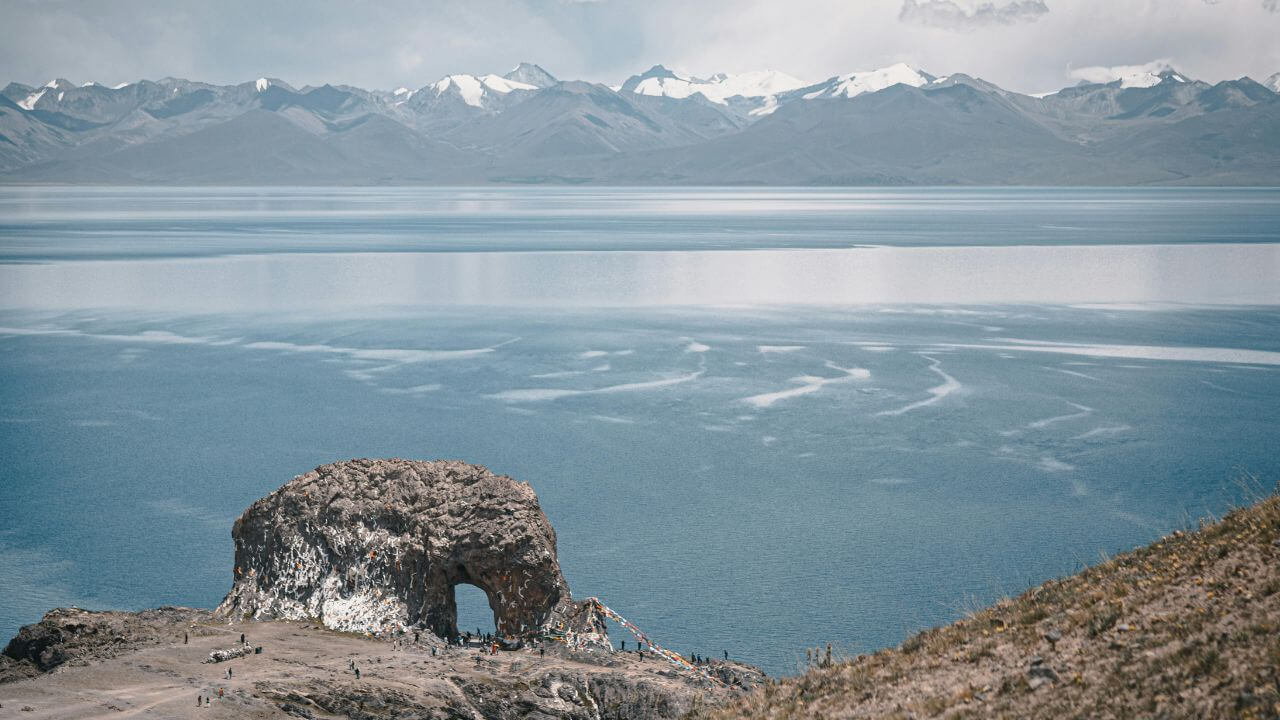
Spectacular Scenery: The lake is renowned for its breathtaking beauty, characterized by crystal-clear turquoise waters, surrounded by snow-capped mountains and vast grasslands. The view of the lake against the backdrop of the Nyenchen Tanglha Mountain Range is particularly awe-inspiring.
Sunrise and Sunset: The sunrises and sunsets at Namtso Lake are spectacular, with the changing colors of the sky reflecting on the tranquil waters, creating a mesmerizing and serene atmosphere.
Tashi Dor Island: Located on the southeastern shore of Namtso Lake, Tashi Dor Island is a significant pilgrimage site for Tibetan Buddhists. It features numerous caves and hermitages where monks and devotees come to meditate.
The Elephant Gate: The Holy Elephant Gate at Namtso Lake is a remarkable rock formation that looks like an elephant drinking from the lake. This natural wonder, set against the stunning blue waters and majestic mountains, enhances the lake’s mystical allure and is a must-see for visitors.
Wildlife: The area around Namtso Lake is home to diverse wildlife, including migratory birds, wild yaks, and Tibetan antelopes. Birdwatchers will find the lake particularly interesting during the migration season.
What Makes Namtso Lake Special
Spiritual Significance: Namtso Lake is considered sacred by Tibetan Buddhists. It is one of the four great sacred lakes in Tibet and a popular pilgrimage destination. Many pilgrims walk around the lake as an act of devotion and to seek blessings.
Natural Beauty: The pristine and untouched natural beauty of Namtso Lake, coupled with its high-altitude location, makes it a unique and awe-inspiring destination. The combination of clear blue waters, surrounding mountains, and open skies creates a surreal landscape.
Cultural Experiences: Visiting Namtso Lake offers an opportunity to experience Tibetan culture and traditions. The presence of pilgrims and the serene environment provide a glimpse into the spiritual practices of the Tibetan people.
How to Get There
From Lhasa: The most common way to reach Namtso Lake is from Lhasa. The journey takes about 4-5 hours by car, covering a distance of around 240 kilometers (150 miles). It is advisable to hire a private car or join a tour group, as public transportation options are limited.
Route: The route from Lhasa to Namtso Lake passes through the Nyenchen Tanglha Mountains and the vast Tibetan plateau, offering picturesque views along the way. The road is mostly paved but can be challenging due to the high altitude and weather conditions.
Travel Tips
Altitude Acclimatization: Namtso Lake is situated at a high altitude, so it is crucial to acclimatize properly before visiting. Spend a few days in Lhasa or other lower-altitude areas to avoid altitude sickness.
Best Time to Visit: The best time to visit Namtso Lake is from May to September when the weather is relatively mild, and the roads are accessible. During the winter months, the lake and surrounding areas can be extremely cold, and the roads may be blocked by snow.
Packing Essentials: Pack warm clothing, even in the summer, as temperatures can drop significantly, especially at night. Bring sunscreen, sunglasses, and a hat to protect yourself from the strong UV rays at high altitudes.
Accommodation: Basic accommodations are available near the lake, including guesthouses and tents. It is advisable to book in advance, especially during the peak tourist season.
Permits: Foreign travelers need to obtain a Tibet Travel Permit to visit Namtso Lake. It is usually arranged through a travel agency. Additionally, if planning to camp or trek in the area, check for any additional permits or regulations.
Yamdrok Lake
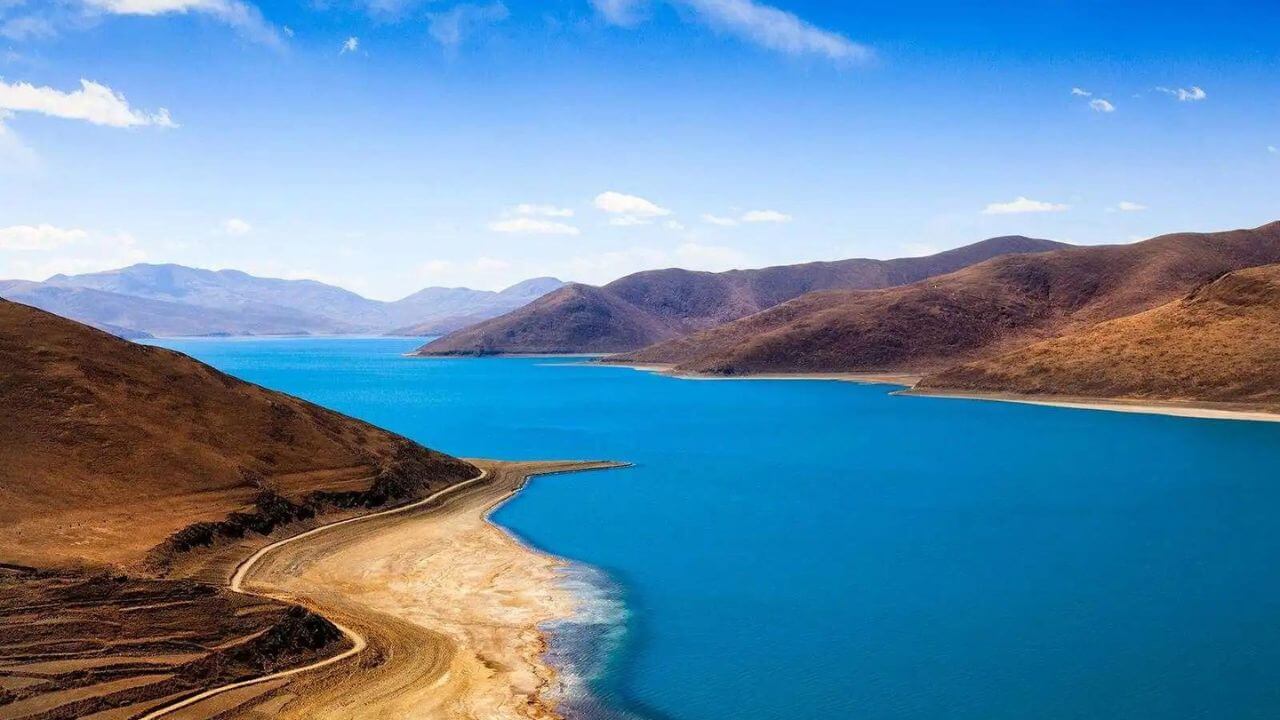
Yamdrok Lake, also known as Yamdrok Yumtso or Yamzho Yumco, is one of the largest and most beautiful lakes in Tibet. It is located in the Shannan Region, about 100 kilometers (62 miles) southwest of Lhasa. The lake is revered as one of the three holy lakes by Tibetan Buddhists and is renowned for its stunning turquoise waters, which stretch for over 130 kilometers (81 miles). Surrounded by snow-capped mountains and lush green valleys, Yamdrok Lake is considered a jewel of the Tibetan Plateau.
Quick Facts About Yamdrok Lake
- Location: Shannan Region, Tibet Autonomous Region
- Distance from Lhasa: Approximately 100 kilometers (62 miles)
- Altitude: 4,441 meters (14,570 feet) above sea level
- Length: Over 130 kilometers (81 miles)
- Area: Around 638 square kilometers (246 square miles)
- Maximum Depth: About 60 meters (197 feet)
- Type: Freshwater lake
- Surroundings: Snow-capped mountains, green valleys, and small Tibetan villages
- Main Inflow and Outflow: Inflows from surrounding glaciers and streams, outflow to the Yarlung Tsangpo River.
Highlights of Yamdrok Lake
Scenic Beauty: The lake’s turquoise blue waters set against the backdrop of snow-covered peaks and rolling hills make for a picturesque and tranquil scene. The colors of the lake change with the seasons and weather conditions, adding to its allure.
Samding Monastery: Located on a peninsula jutting into the lake, Samding Monastery is the only Tibetan monastery headed by a female reincarnation, known as Dorje Pakmo. The monastery offers insights into Tibetan Buddhist practices and stunning views of the lake.
Gyantse Kumbum and Pelkor Chode Monastery: Often visited in conjunction with Yamdrok Lake, these sites in Gyantse feature a unique multi-story chorten (stupa) and a monastery with exquisite murals and sculptures.
Karo La Glacier: En route to Yamdrok Lake, visitors can see the Karo La Glacier, which descends from Mount Nojin Kangtsang. The glacier’s imposing ice formations are a striking contrast to the serene waters of the lake.
Travel Tips for Visiting Yamdrok Lake
Altitude Acclimatization: Given its high altitude, it’s essential to acclimatize properly before visiting Yamdrok Lake. Spend a few days in Lhasa or other lower-altitude areas to avoid altitude sickness.
Best Time to Visit: The best time to visit Yamdrok Lake is from April to October, when the weather is relatively mild and the roads are accessible. The lake and surrounding areas can be extremely cold during winter.
Transportation: The journey from Lhasa to Yamdrok Lake typically takes about 2-3 hours by car. It’s advisable to hire a private vehicle or join a tour group, as public transportation options are limited.
Permits: Foreign travelers need to obtain a Tibet Travel Permit to visit Yamdrok Lake. This is usually arranged through a travel agency. If planning to visit other regions or monasteries, additional permits may be required.
Photography: Yamdrok Lake offers numerous photo opportunities. Early morning and late afternoon light provide the best conditions for capturing the lake’s vibrant colors and surrounding landscapes.
Samye Monastery
Samye Monastery, also known as Samye Gompa, holds the distinction of being the first Buddhist monastery built in Tibet. Founded in the 8th century by King Trisong Detsen and the Indian monk Padmasambhava, it played a pivotal role in the establishment of Buddhism in Tibet. The monastery is located in the Shannan Region, about 150 kilometers (93 miles) southeast of Lhasa, on the north bank of the Yarlung Tsangpo River. Samye Monastery is renowned for its unique mandala layout, which symbolizes the Buddhist cosmology.
Quick Facts About Samye Monastery
- Location: Shannan Region, Tibet Autonomous Region
- Distance from Lhasa: Approximately 150 kilometers (93 miles)
- Altitude: 3,580 meters (11,745 feet) above sea level
- Founded: 8th century (circa 775 AD)
- Founder: King Trisong Detsen and Padmasambhava
- Architectural Style: Mandala layout with Indian, Chinese, and Tibetan influences
- Significance: First Buddhist monastery in Tibet
- Main Buildings: Utse Hall, Doring Chorten, residential quarters, chapels, and stupas

Highlights of Samye Monastery
Mandala Layout: The monastery’s unique layout is designed in the shape of a giant mandala, representing the Buddhist cosmology. The central Utse Hall symbolizes Mount Meru, surrounded by four stupas and various buildings that represent the continents and subcontinents.
Utse Hall: The main temple at the heart of the monastery, the Utse Hall, is a three-story structure with distinct architectural styles on each floor—Indian, Chinese, and Tibetan. It houses numerous ancient murals, statues, and relics.
Doring Chorten: The central pillar, or Doring Chorten, stands as a significant landmark within the monastery complex. It is adorned with intricate carvings and holds religious significance.
Murals and Frescoes: Samye Monastery is home to some of the finest examples of Tibetan Buddhist art, with exquisite murals and frescoes depicting various Buddhist deities, historical events, and spiritual themes.
Pilgrimage Site: The monastery is a major pilgrimage destination for Tibetan Buddhists. Pilgrims often walk the kora (circumambulation) around the monastery, chanting prayers and spinning prayer wheels.

Travel Tips for Visiting Samye Monastery
Altitude Acclimatization: Ensure proper acclimatization before visiting Samye Monastery due to its high altitude. Spend a few days in Lhasa or other lower-altitude areas to avoid altitude sickness.
Best Time to Visit: The best time to visit is from April to October when the weather is mild and the roads are accessible. The monastery can be visited year-round, but winter months can be extremely cold.
Transportation: The journey from Lhasa to Samye Monastery takes about 4-5 hours by car. It involves crossing the Yarlung Tsangpo River by ferry and then driving to the monastery. Hiring a private vehicle or joining a tour group is recommended.
Permits: Foreign travelers need to obtain a Tibet Travel Permit to visit Samye Monastery. This is usually arranged through a travel agency. If planning to visit other regions or monasteries, additional permits may be required.
Photography: Samye Monastery offers numerous photo opportunities, especially of its unique architectural layout and stunning murals. Always ask for permission before taking photos inside the monastery buildings.

Helen Wang
Travel Advisor & Guide Expert
I started my travel career in 2005 and have since become an expert in Tibet and China’s travel destinations and helping travelers plan unforgettable trips.
For expert travel advice to China or Tibet, feel free to contact me.