
If you decide to visit Eastern Tibet you will have a unique experience with amazing landscapes, rich culture, and history. The region is known for its stunning mountains, deep valleys, and vast grasslands. Travelers can explore traditional Tibetan villages, and ancient monasteries, and enjoy the warm hospitality of the local people.
Facts about Eastern Tibet
- Region: Eastern Tibet includes the areas of Kham and Amdo.
- Terrain: The region features diverse landscapes, including high mountains, deep valleys, and vast grasslands.
- Ethnic Groups: Predominantly Tibetan, but also includes significant populations of Han Chinese, Hui, and other ethnic groups.
- Ideal Months to visit Kham: The best time to visit Eastern Tibet is from May to October, when the weather is most favorable for travel and exploration.
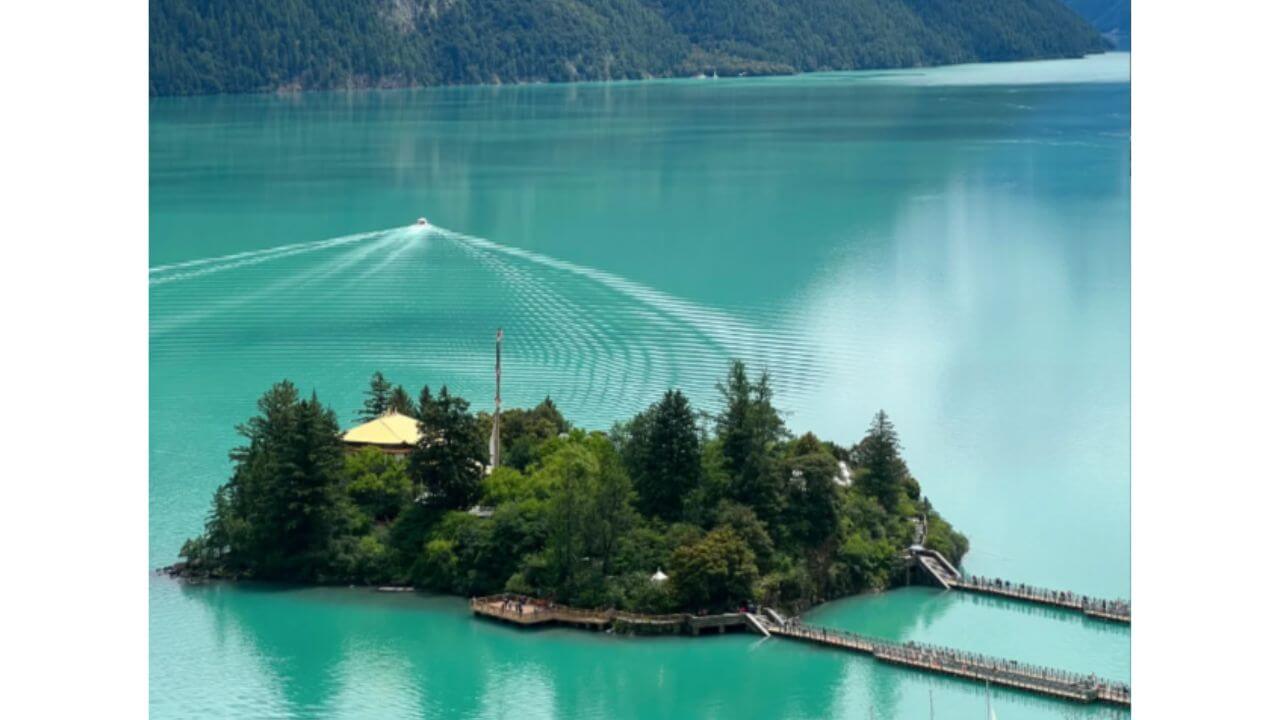
“Discover the wild splendor of Eastern Tibet, where Kham’s towering peaks embrace ancient monasteries, rich cultures, and landscapes that inspire the soul.”
Basum Lake (Basum Tso)
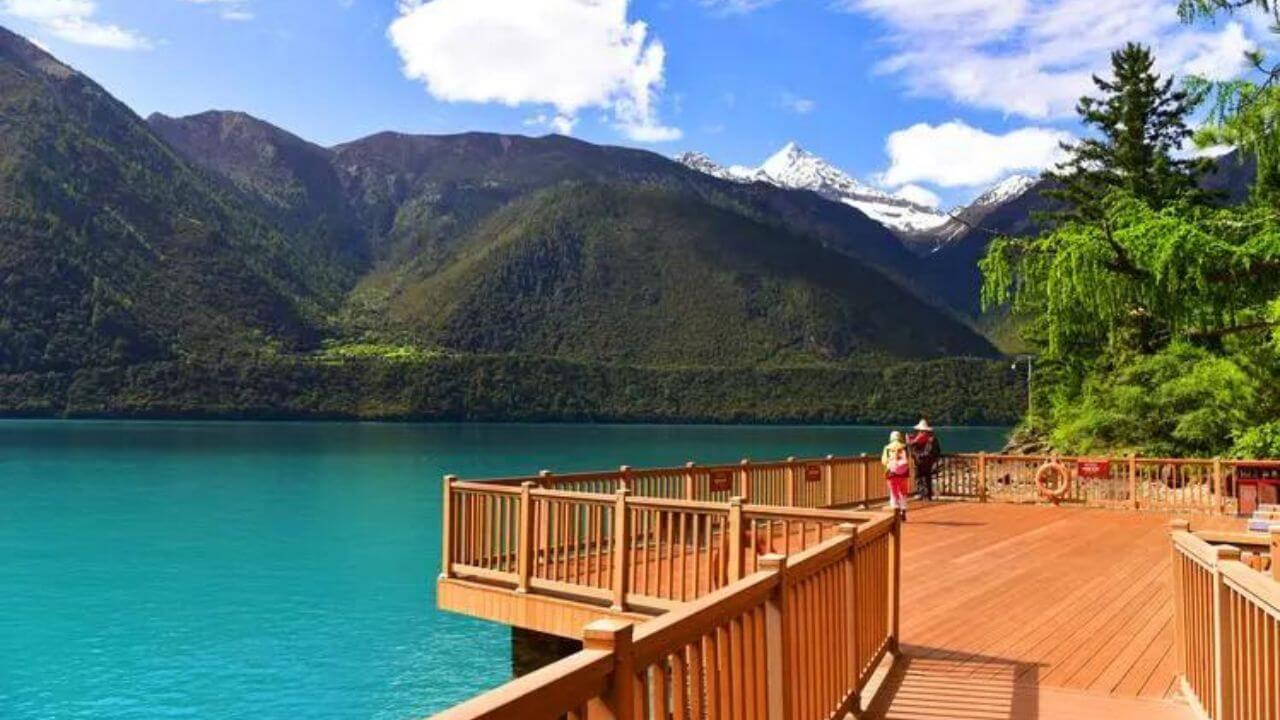
Basum Lake, also known as Basum Tso, is a stunning alpine lake located in Nyingchi Prefecture in Eastern Tibet. Nestled at an altitude of about 3,700 meters (12,140 feet), this serene lake is a hidden gem surrounded by snow-capped mountains and dense forests. The lake spans approximately 37 square kilometers (14 square miles) and reaches depths of up to 120 meters (394 feet). Basum Tso is renowned for its crystal-clear turquoise waters and picturesque scenery, making it a perfect destination for nature lovers and adventure seekers.
Quick Facts
- Location: Nyingchi Prefecture, Eastern Tibet
- Altitude: Approximately 3,700 meters (12,140 feet)
- Area: Around 37 square kilometers (14 square miles)
- Depth: Up to 120 meters (394 feet)
- Significance: Sacred lake for the Nyingma sect of Tibetan Buddhism
- Best Time to Visit: May to October
Highlights at Basum Tso
- Spiritual Significance: Basum Lake holds significant spiritual importance for the Nyingma sect of Tibetan Buddhism. The lake is considered sacred, and it is believed that Guru Rinpoche meditated in the area.
- Tsodzong Monastery: Located on a small island in the lake, Tsodzong Monastery is a must-visit site. The monastery offers a serene atmosphere and stunning views of the surrounding landscape.
- Yaks and Nomadic Culture: Visitors will encounter local nomadic herders and their yaks grazing in the meadows around the lake. This provides a unique glimpse into the traditional Tibetan way of life.
Why It’s Worth Visiting
Basum Lake offers a breathtaking blend of natural beauty and cultural richness. You can enjoy the lake’s turquoise waters are incredibly clear, reflecting the surrounding mountains and sky. Around the lake there are dense forests rich with flora and fauna, making the scenery even more astonishing. And the top of the cake are the snow-capped peaks around the lake which give us excellent photo opportunities.
Travel Tips
- Acclimatization: Given the high altitude, it is essential to acclimatize properly to avoid altitude sickness. Spend a few days in Lhasa or Nyingchi before visiting Basum Lake.
- Permits: Foreign travelers need a Tibet Travel Permit to visit Basum Lake. It is advisable to arrange this through a travel agency.
- Best Time to Visit: The best time to visit Basum Lake is from May to October when the weather is mild, and the lake is most accessible.
- Clothing: Dress in layers to accommodate the varying temperatures. Even in summer, it can get chilly, especially in the mornings and evenings.
- Admission Fee: The admission fee is ¥120, sightseeing ticket is ¥45, accommodation voucher is ¥60 per person.
Lulang Forest
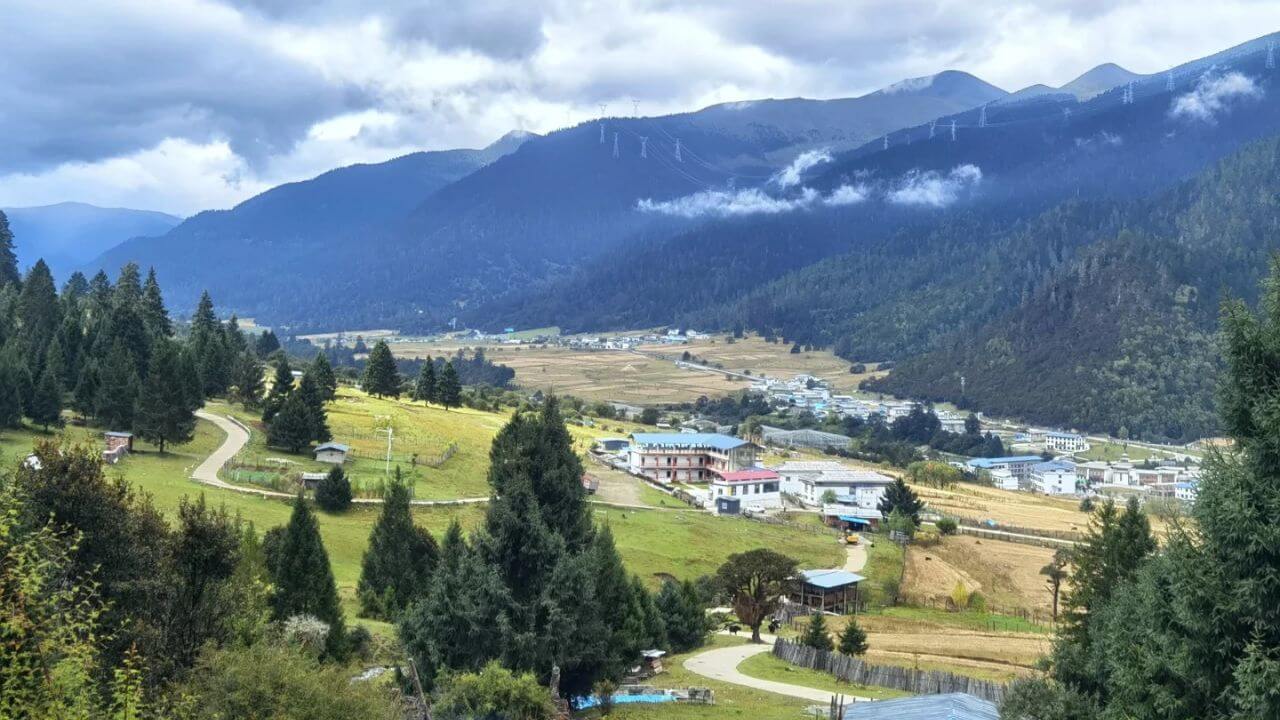
Lulang Forest, often referred to as the “Swiss Alps of Tibet,” is a breathtakingly beautiful area located in the Nyingchi Prefecture of Eastern Tibet. Situated at an altitude of about 3,700 meters (12,140 feet), Lulang Forest is renowned for its lush greenery, snow-capped mountains, and picturesque meadows. The forest spans a vast area, offering a serene escape into nature and a glimpse into the traditional Tibetan way of life.
Quick Facts
- Location: Nyingchi Prefecture, Eastern Tibet
- Altitude: Approximately 3,700 meters (12,140 feet)
- Area: Extensive forest and meadowland
- Significance: Known for its stunning natural beauty and biodiversity
- Best Time to Visit: April to October
Why It’s Worth Visiting
Lulang Forest is a paradise for nature enthusiasts and offers a unique blend of natural beauty and cultural richness. When you visit Lulang Forest you will be amazed by lush Meadows which are full with wildflowers and grazing yaks create a picturesque landscape. Also, there are ancient trees like towering pine and spruce trees, some hundreds of years old, form dense, enchanting woodlands
The forest is framed by majestic snow-capped mountains, providing a stunning backdrop and excellent photo opportunities. If you are visiting the forest in spring you will be witness when forest will bursts into color blooming rhododendrons, creating a magical and vibrant scene.
The forest is accessible via the scenic Lulang Forest Highway, which offers breathtaking views of the surrounding mountains and valleys.
Travel Tips
- Acclimatization: The high altitude of Lulang Forest requires proper acclimatization to avoid altitude sickness. Spend a few days in lower-altitude areas before heading to the forest.
- Permits: Same as the every place in TIbet, the foreign travelers need a Tibet Travel Permit to visit Lulang Forest.
- Best Time to Visit: The best time to visit Lulang Forest is from April to October when the weather is mild and the forest is most accessible.
- Clothing: Dress in layers to accommodate the varying temperatures. Even in summer, it can get chilly, especially in the mornings and evenings.
- Guided Tours: Consider hiring a local guide to gain deeper insights into the natural and cultural significance of the forest.
- Respect Local Customs: Lulang Forest is home to local Tibetan communities. Show respect by following local customs and being considerate of their way of life.
Namcha Barwa Peak
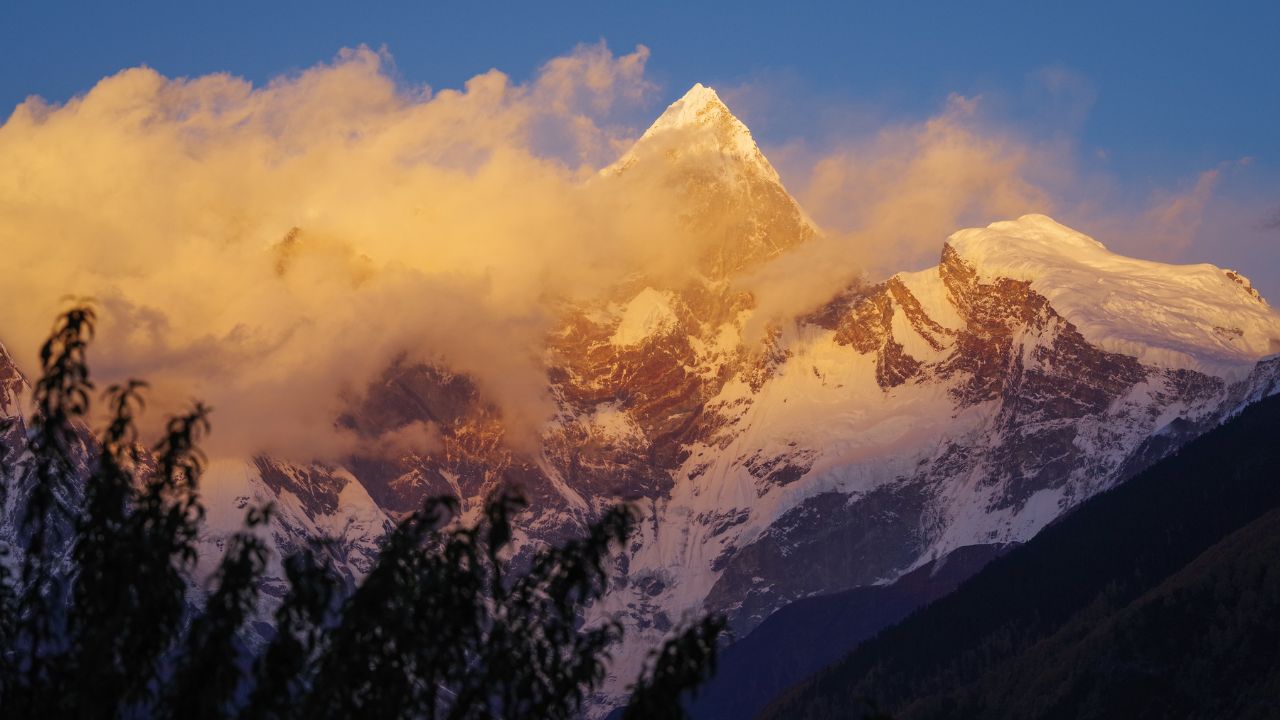
Namcha Barwa Peak, often referred to as the “Father of Icebergs,” is one of the most awe-inspiring mountains in the world. Located in the Nyingchi Prefecture of Eastern Tibet, it stands majestically at an altitude of 7,782 meters (25,531 feet), making it the highest peak in the eastern section of the Himalayas. Its dramatic rise from the deep gorges of the Yarlung Tsangpo River creates a stunning natural spectacle that has captivated explorers and adventurers for centuries.
Quick Facts
- Location: Nyingchi Prefecture, Eastern Tibet
- Altitude: 7,782 meters (25,531 feet)
- First Ascent: October 30, 1992, by a Sino-Japanese expedition
- Significance: Known for its challenging climbing routes and spectacular natural beauty
- Best Time to Visit: April to October
Highlights of Namcha Barwa Peak
- Stunning Views: Namcha Barwa offers breathtaking views of snow-capped peaks, glaciers, and deep river gorges. The mountain is often shrouded in clouds, adding to its mystical allure.
- Biodiversity: The surrounding area is rich in biodiversity, with dense forests and diverse flora and fauna. The region is part of the Namcha Barwa National Park.
- Yarlung Tsangpo Grand Canyon: Nearby is the world’s deepest and longest canyon, the Yarlung Tsangpo Grand Canyon, offering dramatic landscapes and unique trekking opportunities.
- Local Culture: The region is home to traditional Tibetan villages where visitors can experience the local culture and hospitality.
Travel Tips
- Acclimatization: Due to the high altitude, it is crucial to acclimatize properly before attempting to visit or climb Namcha Barwa. Spend several days at lower altitudes to avoid altitude sickness.
- Permits: Foreign travelers need a Tibet Travel Permit, and additional permits may be required for trekking or climbing in the area.
- Best Time to Visit: The best time to visit Namcha Barwa is from April to October when the weather is more stable, and the mountain is more accessible.
- Clothing and Gear: Dress in layers and bring appropriate gear for high-altitude conditions. Weather can be unpredictable, with significant temperature variations..
- Physical Preparation: Ensure you are physically prepared for high-altitude trekking or climbing. Regular exercise and proper training are essential for a safe and enjoyable experience.
Chamdo Monastery (Chambaling Monastery)
Chamdo Monastery, also known as Chambaling Monastery, is a prominent Gelugpa (Yellow Hat) monastery located in the heart of Chamdo, Eastern Tibet. Founded in 1444 by Lama Jangsem Sherab Zangpo, a disciple of Tsongkhapa, the monastery is one of the oldest and largest in the region. It serves as a vital center for religious and cultural activities, drawing pilgrims and visitors alike to its hallowed grounds.
Quick Facts
- Location: Chamdo, Eastern Tibet
- Founded: 1444 by Lama Jangsem Sherab Zangpo
- Sect: Gelugpa (Yellow Hat)
- Significance: One of the most important monasteries in Eastern Tibet
- Best Time to Visit: May to October
Why Visit Chamdo Monastery
Chamdo Monastery is a must-visit destination for anyone interested in Tibetan culture, spirituality, and history. Here are several compelling reasons why this monastery should be on your travel itinerary:
Architectural Marvel
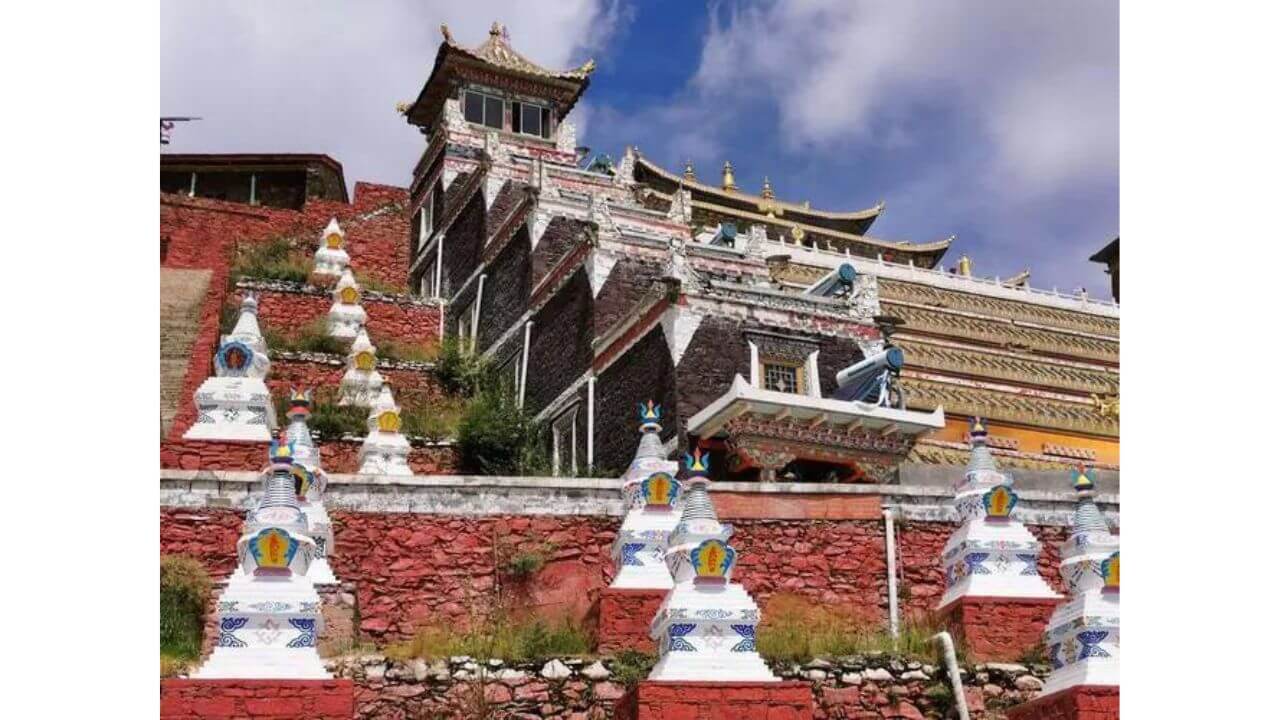
Chamdo Monastery showcases stunning traditional Tibetan architecture. Its intricate woodwork, colorful murals, and golden roofs highlight the rich cultural and artistic heritage of the region.
Spiritual Atmosphere
As an active center of worship, the monastery provides a serene environment for reflection. The sound of monks chanting and the scent of incense create a peaceful setting for spiritual exploration.
Cultural Festivals
The monastery hosts important religious festivals like the Chamdo Horse Racing Festival and the Great Prayer Festival. These events offer a vibrant display of Tibetan culture and communal spirit.
Scenic Beauty
Nestled in the breathtaking landscapes of Eastern Tibet, Chamdo Monastery offers stunning views of the surrounding mountains and valleys, making it a perfect spot for nature lovers and photographers.
Travel Tips
- Acclimatization: Chamdo is located at a high altitude, so it is essential to acclimatize properly to avoid altitude sickness. Spend a few days in lower-altitude areas before visiting.
- Permits: Foreign travelers need a Tibet Travel Permit to visit Chamdo Monastery. It is advisable to arrange this through a travel agency.
- Best Time to Visit: The best time to visit Chamdo Monastery is from May to October when the weather is mild and the region is more accessible.
- Dress Modestly: When visiting the monastery, dress modestly and respectfully. Long sleeves and trousers are recommended, and hats should be removed when entering religious buildings.
- Respect Local Customs: Show respect for local customs and traditions. Photography may be restricted in certain areas, so always ask for permission before taking pictures.
- Guided Tours: Consider hiring a local guide to gain deeper insights into the history, significance, and daily life of the monastery. A guide can also help navigate language barriers and enhance the overall experience.
- Physical Preparation: Ensure you are physically prepared for high-altitude conditions. Regular exercise and proper hydration are essential for a safe and enjoyable visit.
- Cultural Etiquette: Participate in or observe the religious activities and rituals with reverence. It is customary to walk clockwise around stupas and prayer wheels.
Midui Glacier
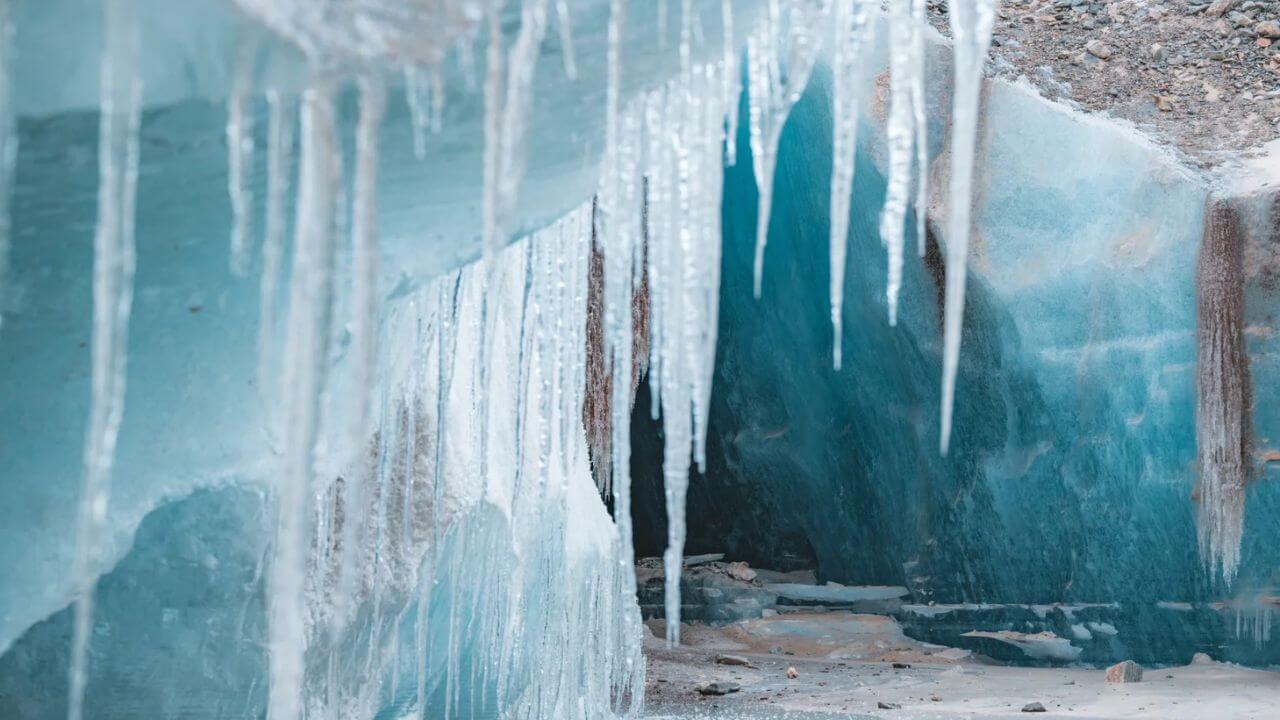
Midui Glacier is located in the Nyingchi Prefecture of Eastern Tibet, is one of the most accessible and stunning glaciers in the region. This glacier is known for its spectacular beauty, featuring a dramatic blend of snow-capped peaks, pristine ice, lush forests, and picturesque lakes. The glacier descends from the towering Mount Kangri Garpo, making it a breathtaking sight for nature lovers and adventure enthusiasts.
Quick Facts
- Location: Nyingchi Prefecture, Eastern Tibet
- Altitude: Ranges from approximately 2,400 meters (7,874 feet) at the base to over 6,000 meters (19,685 feet) at the peak
- Accessibility: One of the most accessible glaciers in Tibet
- Significance: Known for its stunning natural beauty and diverse landscapes
- Best Time to Visit: April to October
Why Visiting Midui Glacier
Midui Glacier offers a visual feast with its snow-capped peaks, cascading icefalls, and emerald lakes surrounded by dense forests. The contrast between the icy glacier and the lush greenery creates a stunning landscape that is perfect for photography and nature observation. Unlike many other glaciers in Tibet, Midui Glacier is relatively easy to reach, making it a great destination for tourists who want to experience the majesty of a glacier without extensive trekking. The area around Midui Glacier is inhabited by local Tibetan communities, allowing visitors to explore nearby villages, interact with locals, and gain insight into traditional Tibetan lifestyles. For adventure seekers, Midui Glacier offers excellent hiking and trekking opportunities. Trails around the glacier provide various levels of difficulty, catering to both casual hikers and seasoned trekkers.
Travel Tips
- Acclimatization: Ensure you are properly acclimatized to the high altitude before visiting Midui Glacier to avoid altitude sickness. Spend a few days in lower-altitude areas like Nyingchi town before heading to the glacier.
- Permits: Foreign travelers need a Tibet Travel Permit to visit Midui Glacier.
- Best Time to Visit: The best time to visit is from April to October when the weather is mild, and the glacier is most accessible. During this period, the landscape is lush and vibrant, and the weather conditions are ideal for outdoor activities.
- Clothing and Gear: Dress in layers to accommodate varying temperatures. Even in summer, the glacier area can be cold, especially in the mornings and evenings. Good hiking boots and waterproof clothing are recommended.
- Physical Preparation: Ensure you are in good physical condition for hiking and trekking. Regular exercise and proper hydration are essential for a safe and enjoyable visit.
- Respect Local Customs: Show respect for local customs and traditions. Always ask for permission before photographing local people and their homes.

Helen Wang
Travel Advisor & Guide Expert
I started my travel career in 2005 and have since become an expert in Tibet and China’s travel destinations and helping travelers plan unforgettable trips.
For expert travel advice to China or Tibet, feel free to contact me.